

Planning a Trip to Vietnam: A Comprehensive Guide 2025
Disclaimer: This page may contain affiliate links. More info in our Privacy Policy
PLANNING A TRIP TO VIETNAM?
You’ve come to the right place — as we have traveled around Vietnam since 2015!
Ever dreamt of exploring a land where lush green rice terraces cascade down mountains? Or where bustling markets offer a sensory overload of colors, scents, and sounds?
Yep, I’m talking about Vietnam. This Southeast Asian gem is a tapestry of stunning landscapes, rich culture, and mouth-watering cuisine.
But here’s the thing: diving into such a diverse country can be a tad overwhelming. That’s why planning is key! 🗺️ A well-thought-out trip ensures you soak in all the wonders without any hiccups.
Trust me, you’ll want to get this right.
Best Time to Visit Vietnam

Picking the perfect time to visit Vietnam can be a game-changer. This slender country stretches over a thousand miles from north to south, which means the climate can be, well, a bit complicated. But don’t sweat it! I’ve got you covered.
Climate Overview
Vietnam’s geography gives it a unique climate twist. Let’s break it down:
North (e.g., Hanoi, Sapa):
- Winter (Nov – Apr): Cool and misty. Think temperatures between 10°C to 22°C. Perfect for cozying up with a cup of egg coffee in Hanoi!
- Summer (May – Oct): Hot and humid with some heavy rainfall. Temperatures can soar up to 35°C. Sapa, though, remains cooler and is a summer haven.
Hanoi Average Day and Night Temperature

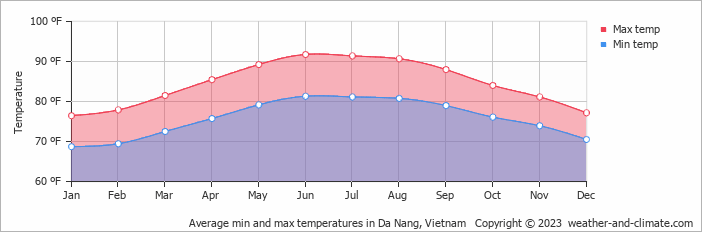
Central (e.g., Hue, Da Nang, Hoi An):
- Dry Season (Jan – Aug): Warm temperatures averaging around 25°C to 30°C. Beach time, anyone?
- Rainy Season (Sep – Dec): Expect some heavy downpours, especially in October and November.
Da Nang Average Day and Night Temperature
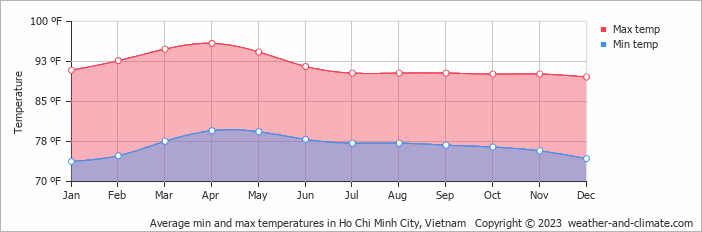
South (e.g., Ho Chi Minh City, Phu Quoc):
- Dry Season (Nov – Apr): Pleasantly warm with temperatures hovering around 25°C to 32°C.
- Rainy Season (May – Oct): Short bursts of rain, but hey, the scenery gets lush and green!
Ho Chi Minh Average Day and Night Temperature
Monsoon Scoop:
- North: May to October. Watch out for heavy rains and potential flooding.
- South: May to November. The rain’s usually short-lived, so just pack an umbrella and you’re good!
Peak Tourist Seasons

Timing your visit can make a world of difference. Here’s the lowdown:
Peak Season (Dec – Feb):
Pros:
- Perfect weather, especially in the north and central regions.
- Festive vibes thanks to Tết (Vietnamese New Year).
Cons:
- Crowded tourist spots. Think longer queues and selfie-stick dodging!
- Slightly pricier accommodation. Booking in advance? Smart move!
Off-Peak Season (May – Sep):
Pros:
- Fewer tourists mean a more authentic experience.
- Discounts galore! Accommodations can be 20-40% cheaper.
Cons:
- Well, it’s monsoon time. But rain showers are usually brief.
Essential Travel Documents

Before you set foot in the mesmerizing landscapes of Vietnam, there’s some paperwork to sort out. But don’t fret! I’m here to guide you through the maze of visas and insurance. Let’s get you prepped and ready!
Visa Requirements
Vietnam welcomes travelers with open arms, but there are a few visa hoops to jump through:
Countries Eligible for Visa Exemptions:
Lucky you if you’re from ASEAN countries! Most get a 14 to 45-day pass without a visa. Countries like Japan, South Korea, and Russia also get some visa-free days. Always double-check the latest list, though!
Visa-On-Arrival (VOA):
Available for travelers flying into international airports like Hanoi, Ho Chi Minh City, and Da Nang.
- Apply online for an approval letter. Costs vary, but think 18-50 USD.
- Print the letter and pack two passport-size photos.
- On arrival, head to the “VOA” counter. Pay the stamping fee (around 25 USD for a single entry) and voilà, you’re in!
E-Visa Application:
A smooth online process for travelers from 80+ countries.
- Skip the VOA queue. Just access Vietnam’s Ministry of Public Security portal.
- Use it at major airports, land borders, and seaports.
- Costs around 25 USD for single-entry (50 USD for multiple-entry) and takes about 3 business days.
- No middlemen or approval letters needed!
Travel Insurance
Let’s talk safety nets, shall we?
Why You Need It:
Imagine this: you’re cruising in Halong Bay, and oops, you twist an ankle. Or worse, your luggage decides to take a separate vacation. That’s where travel insurance, like SafetyWing, steps in. It’s your shield against unexpected hiccups.
Coverage Areas to Consider:
1. Medical Emergencies:
Hospital stays, treatments, and even medical evacuations. SafetyWing, for instance, offers up to $250,000 coverage for medical incidents.
2. Trip Cancellations:
Get reimbursed if you have to cancel your trip due to unforeseen reasons.
3. Lost Belongings:
Lost your camera in the bustling streets of Hanoi? Insurance can help cover the costs.
Crafting the Perfect Itinerary

Vietnam is a treasure trove of experiences waiting to be uncovered. Whether you’re a history buff, a nature lover, or a culture enthusiast, there’s something here for everyone. Let’s map out those must-visit spots and dive deep into the heart of Vietnamese culture.
Must-Visit Destinations
Vietnam is a mosaic of experiences. Here’s where you absolutely, positively, gotta go:
1. Hanoi
Dive into a city where the past meets the present. Wander through ancient temples, then haggle your heart out in bustling street markets. And oh, the street food? To die for!
2. Halong Bay
Picture this: Cruising amidst towering limestone islands, the water reflecting the azure sky. Whether you’re kayaking or just soaking in the views, it’s pure magic.
3. Hue
Step back in time in this ancient imperial city. Explore grand palaces, ornate tombs, and get lost in tales of emperors and dynasties.
4. Hoi An
Ah, the charm of lantern-lit evenings by the river! This UNESCO World Heritage site is a blend of cultures, with its Japanese bridges and French colonial houses.
5. Ho Chi Minh City (Saigon)
The buzzing heart of modern Vietnam. Skyscrapers, war museums, and vibrant nightlife – it’s a whirlwind of experiences.
6. Phu Quoc Island
Sun, sand, and serenity. Dive into crystal-clear waters, lounge at luxury resorts, or explore the island on a motorbike. Paradise found!
Read also: Major Cities in Vietnam: A Comprehensive Travel Guide
Cultural Experiences

Ready to dive deeper? Here’s how you can truly immerse yourself in Vietnamese culture:
1. Traditional Vietnamese Cooking Classes:
Whip up a storm and learn to make classics like Pho and Spring Rolls. Bonus? You get to eat your creations!
2. Water Puppet Shows:
A unique Vietnamese art form! Watch wooden puppets dance on water, telling tales of legends and folklore.
3. Local Village Homestays:
Ditch the hotels. Live with locals in traditional villages, learn their way of life, and make memories that last a lifetime.
4. Temple Visits and Meditation Sessions:
Find your zen. Explore ancient temples, soak in the tranquility, and maybe even join a meditation session with the monks.
Local Transportation Tips

Vietnam’s bustling streets and scenic countryside routes are an experience in themselves. But navigating them? That can be a tad tricky. The constant flow of motorbikes, bicycles, and cars can be overwhelming, especially in the busy cities.
A local told us, “Just relax and cross the street!” It might sound surprising, but this advice holds true—walk slowly and steadily, and the traffic will flow around you. It’s a skill that requires a bit of courage and trust, but once you get the hang of it, it becomes part of the adventure.
Navigating Major Cities
City streets in Vietnam are alive with a symphony of honks, motorbikes, and the distant calls of street vendors.
Here’s how to ride the rhythm:
1. Using Grab and Traditional Taxis:
- Grab’s your best buddy here! It’s like Uber, but Southeast Asian style. Just pop in your destination, and you’re off. Traditional taxis? They’re everywhere. Just make sure they turn on the meter!
2. Benefits of Cyclos and Rickshaws:
- Want to feel the breeze and take in the sights? Hop onto a cyclo or rickshaw. Perfect for short distances and a more leisurely pace. Plus, it’s eco-friendly!
3. Safety Tips for Motorbike Rentals:
The ultimate freedom! But remember:
- Always wear a helmet.
- Check the bike’s condition before renting.
- Keep an eye out for the city’s traffic flow. It’s… unique.
Long-Distance Travel

Vietnam stretches over a thousand miles, and trust me, there’s beauty in every inch. Here’s how to cover those miles:
1. Train Journeys: The Reunification Express:
Chug along from Hanoi to Ho Chi Minh City on this iconic train. It’s a 30-hour journey of breathtaking landscapes and local life.
Pro tip? Book a soft sleeper for a comfy ride.
2. Domestic Flights: Key Airlines and Booking Tips:
Short on time? Fly between cities! Airlines like Vietnam Airlines, VietJet, and Bamboo Airways got you covered. Always compare prices and book in advance for sweet deals.
3. Bus Travel: Sleeper Buses, Vans, and Limousines:
a. Sleeper Buses:
Lie flat and watch the world go by! Sleeper buses are budget-friendly and great for overnight journeys. Just:
- Keep your valuables close.
- Choose reputable companies.
- And maybe pack some earplugs. Just in case.
b. Vans:
A quicker and often more comfortable option than buses. They’re especially handy for routes that aren’t covered by larger buses or trains. Look for luxury or VIP vans for added comfort.
c. Limousines:
Travel in style! Limousine services offer the utmost comfort, especially for routes like Ho Chi Minh City to Mui Ne or Hanoi to Sapa. They come with plush seats, Wi-Fi, and sometimes even a personal entertainment system.
Book a Ride for your Vietnam Trip
Vietnamese Cuisine: A Gastronomic Journey

Vietnam is a paradise for your taste buds. From bustling street corners serving piping hot bowls of Pho to elegant eateries offering gourmet experiences, Vietnamese cuisine is a delightful dance of flavors, textures, and aromas. Ready to dig in?
Street Food Delights
Ah, the heart and soul of Vietnamese cuisine! Here’s what you absolutely can’t miss:
1. Pho
Dive into a bowl of this quintessential Vietnamese noodle soup. Silky noodles, tender meat, and a broth that’s been simmering for hours. Whether it’s beef (Pho Bo) or chicken (Pho Ga), it’s comfort in a bowl.
2. Banh Mi
A crispy baguette packed with a medley of fillings – think grilled pork, pâté, fresh herbs, and pickled veggies. It’s a delightful fusion of French and Vietnamese flavors. Grab one on the go!
3. Bun Cha
Hailing from Hanoi, this dish is all about grilled pork (often shredded) over vermicelli noodles, and of course, a generous ladle of tangy broth. Pair it with some crispy spring rolls, and you’re in for a treat.
4. Egg Coffee
Coffee who? In Hanoi, it’s all about this unique concoction. Think strong coffee topped with a creamy, frothy layer of whipped egg yolks. Sweet, rich, and oh-so-delicious!
Dining Etiquette and Tips
Dining in Vietnam is more than just a meal; it’s an experience. Here’s how to do it right:
Using Chopsticks:
Do’s:
- Rest them on the chopstick stand when not in use.
- Use both sticks evenly.
Don’ts:
- Don’t stick them upright in a bowl (it resembles incense at a funeral).
- Avoid pointing them at others.
Tipping Practices in Restaurants:
- Tipping isn’t a deep-rooted custom in Vietnam, but it’s appreciated. In local eateries, rounding up the bill is fine. In upscale restaurants, a 5-10% tip is a kind gesture.
Common Vietnamese Phrases for Dining:
- “Cảm ơn” (Cam un) – Thank you.
- “Một bàn cho hai người” (Mot ban cho hai nguoi) – A table for two.
- “Tôi muốn một ly cà phê” (Toy muan mot ly ca phe) – I’d like a coffee.
Vietnamese cuisine is a journey of discovery. Every bite tells a story, every sip shares a tradition. So, whether you’re slurping noodles by the street or toasting with locals in a tavern, savor every moment. Bon appétit or as the Vietnamese say, “Chúc ngon miệng!” 🥢🍲🥖🍵
Conclusion: Planning a Trip to Vietnam
Whew! What a journey we’ve been on, right? 🎒 Planning might seem like a chore, but remember, it’s the blueprint to your unforgettable Vietnam adventure. With the right prep, you’re not just visiting; you’re immersing.
So, ready to dive deep into Vietnam’s rich tapestry? Go on, let the country’s beauty and culture sweep you off your feet. And hey, don’t forget to send me a postcard! 💌
Frequently Asked Questions
Is Vietnam safe for solo travelers?
Absolutely! Vietnam is generally safe for solo travelers. Just keep your wits about you, especially in crowded areas.
Do I need to know Vietnamese to travel around?
Not really! While knowing a few basic phrases can be handy (and appreciated!), many locals in tourist areas speak English.
Can I use my credit card everywhere in Vietnam?
Not everywhere. While major cities and tourist spots accept cards, it’s wise to carry some cash, especially in remote areas.
What’s the best way to travel between cities in Vietnam?
Trains, buses, and flights – oh my! Each has its perks. Trains offer scenic views, buses are budget-friendly, and flights are quick. Choose what suits your vibe!
Is street food safe to eat?
Yum, street food! Most of it is safe and delicious. Just stick to busy stalls (a crowd is a good sign!) and watch how it’s prepared.


