

Mastering Etiquette in Vietnam: A Comprehensive Guide for Travelers
Disclaimer: This page may contain affiliate links. More info in our Privacy Policy
WANT TO LEARN BASIC ETIQUETTE IN VIETNAM?
You’ve come to the right place — as we have traveled around Vietnam since 2015!
Vietnam, a country rich in history and culture, places great emphasis on values such as humility, restraint, and modesty.
Picture this: a society where boasting and flashy displays of wealth are frowned upon, where modesty is admired, and where public displays of affection are kept to a minimum.
In Vietnam, age is revered. The elderly are treated with the utmost respect, often given the highest honor in any situation. Imagine a dinner where the eldest member is the first to take a bite, or a meeting where the oldest person speaks first.
When it comes to dress code, think conservative. The Vietnamese prefer clothing that covers the body well. So, when packing for your trip, opt for outfits that are respectful of this norm.
Read also: Do’s and Don’ts When Traveling in Vietnam
Etiquette for Visiting Religious and Tourist Sites

Vietnam is a land of diverse religious beliefs, with a myriad of sacred sites that reflect its rich spiritual heritage. From the towering Buddhist statues of Bai Dinh Temple to the ancient Hindu ruins of My Son, each site holds a unique spiritual significance.
When visiting these sites, remember:
- Dress modestly: Avoid revealing clothing. Cover your shoulders and knees.
- Remove your shoes: Always take off your shoes before entering a temple or someone’s home.
- Respect religious rituals: Keep quiet during ceremonies and avoid interrupting monks at prayer.
Respecting local customs and traditions is not just about following rules, it’s about understanding and appreciating the cultural richness that makes Vietnam so unique.
Respectful Ways to Meet and Greet Locals

Communication in Vietnam goes beyond words. It’s a blend of language, tone, and body language. Here are some tips:
- Mind your tones: Vietnamese is a tonal language, meaning the pitch of your voice can change the meaning of a word. It’s like singing a song where each note carries a different message. Paying attention to these tones can help you communicate effectively with locals.
- Use correct pronouns: Vietnamese pronouns vary based on age, gender, and social status.
- For example, older men are often referred to as “ông” while older women are called “bà”. Younger individuals can be addressed as “anh” (older brother) for men and “chị” (older sister) for women.
- When in doubt, use “ban” (friend), which is generally acceptable for people around your age.
- Remember, using the correct pronoun is a sign of respect and can help establish a positive connection with locals.
- Learn basic phrases: Knowing a few basic Vietnamese phrases can go a long way in breaking the ice with locals. Here are 10 essential Vietnamese phrases for travelers:
Here are 10 essential Vietnamese phrases for travelers:
- Hello – Xin Chao (sin jow)
- Thank you – Cam On (kam uhn)
- Yes – Vâng (vuhng)
- No – Không (kohm)
- Excuse me/Sorry – Xin Lỗi (sin loy)
- Can you help me? – Bạn Có Thể Giúp Tôi Không? (ban co the zoop toy kohm)
- How much? – Bao Nhiêu? (bow nyew)
- I don’t understand – Tôi Không Hiểu (toy kohm hyew)
- Where is the bathroom? – Nhà vệ sinh ở đâu? (nya vee sin o doh)
- Goodbye – Tạm Biệt (tam byet)
Proper Eating and Drinking Etiquette in Vietnam
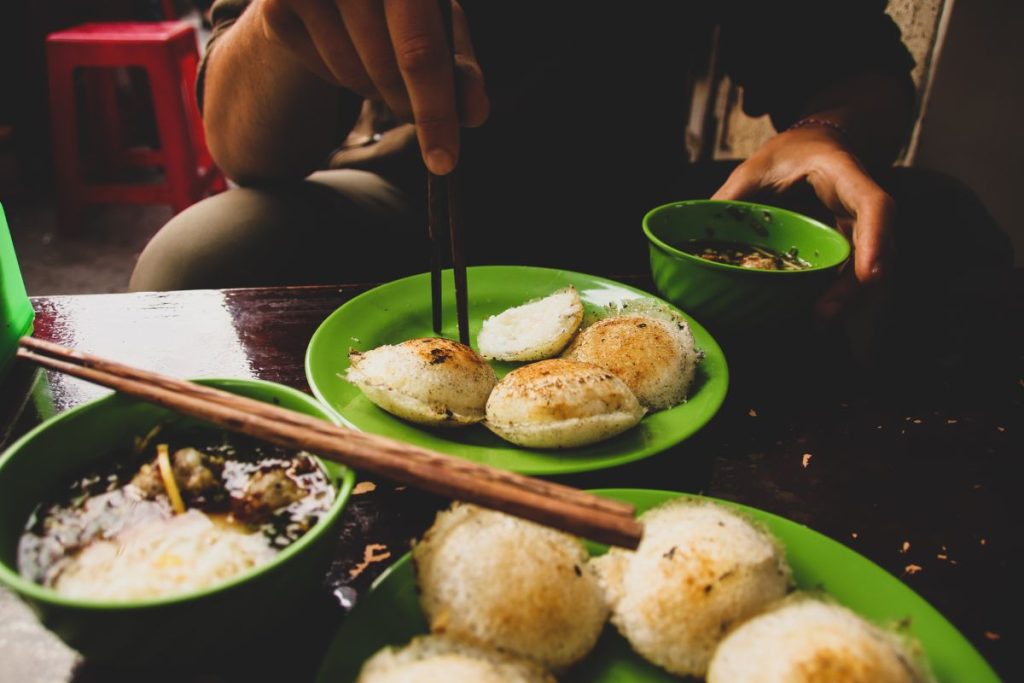
Vietnamese cuisine is a delightful journey of flavors, colors, and textures. But to truly appreciate this culinary adventure, it’s essential to understand the traditional mealtime customs of Vietnam.
- Oldest Eats First: In Vietnam, respect for elders is paramount. Always wait for the oldest person at the table to start eating before you do.
- Clean Plate: Leaving food on your plate can be seen as disrespectful. Try to finish everything you’re served to show your appreciation for the meal.
- No Picking Teeth in Public: If you need to pick your teeth, cover your mouth with your hand. It’s considered impolite to do this openly.
When it comes to using chopsticks, there are a few key rules to remember:
- Don’t Point: Never use your chopsticks to point at someone. It’s considered very disrespectful.
- Don’t Play: Avoid tapping your chopsticks on the table or bowl. It’s seen as a sign of impatience.
- Don’t Stick Chopsticks Vertically in Rice: This resembles the incense sticks used in funerary rites and is considered a bad omen.
Understanding and respecting these customs will not only enhance your dining experience but also help you connect with the local culture on a deeper level.
Dress Code in Vietnam

In Vietnam, modesty is key. Whether you’re exploring the bustling streets of Hanoi or the tranquil rice fields of Sapa, dressing appropriately is essential. Here are some tips:
- City attire: In cities like Ho Chi Minh and Hanoi, locals embrace modern fashion. However, it’s best to avoid overly revealing clothes.
- Rural attire: In rural areas, traditional and modest clothing is the norm. Think loose, lightweight clothes that cover your shoulders and knees.
- Temple visits: When visiting temples, wear modest clothing and always remove your shoes and hat.
Packing for Vietnam’s climate can be tricky. The north experiences cool winters, while the south remains warm year-round. Pack a mix of lightweight clothing for the heat, and warmer layers for cooler regions.
Read also: What to Wear in Vietnam
Respecting Others in Vietnam
Vietnamese culture is steeped in a deep respect for others, particularly elders. Here are some tips to help you navigate social interactions:
- Respect for elders: Always show deference to older individuals. For example, allow them to speak first in conversations.
- Body language: Avoid touching people’s heads or beckoning someone with your finger. These actions are considered disrespectful.
- Public behavior: Keep public displays of affection to a minimum and avoid losing your temper in public.
Gift Giving in Vietnam

Gift-giving is a cherished tradition in Vietnam, often symbolizing respect and friendship. Here are some tips:
- Choose your gift carefully: Gifts should be thoughtful and appropriate for the occasion. Avoid giving anything black or yellow, as these colors are associated with funerals.
- Present with both hands: Always use both hands when giving or receiving a gift.
- Don’t expect immediate unwrapping: Vietnamese people often wait until the giver has left to open a gift.
Common Taboos in Vietnam
Every culture has its taboos, and Vietnam is no exception. Here are some to avoid:
- Control your temper: Public displays of anger are considered very disrespectful.
- Avoid public displays of affection: Keep public displays of affection to a minimum, especially in rural areas.
- Respect personal space: Avoid touching people’s heads or beckoning someone with your finger.
Conclusion: Etiquette in Vietnam
Understanding and respecting Vietnamese etiquette is more than just following a set of rules. It’s about embracing the cultural richness that makes Vietnam such a fascinating place to visit.
By keeping these guidelines in mind, you’ll not only show respect for Vietnamese culture, but also enrich your own travel experience.
So pack your bags, open your mind, and get ready to immerse yourself in the vibrant culture of Vietnam!
References
Vietnam Visa Blog. (2022). The Ultimate Guide to Customs and Etiquette in Vietnam
Viet Nam National Authority of Tourism. (2016). Vietnamese etiquette for travellers


