

Navigating Transportation in Vietnam: Travel Guide 2025
Disclaimer: This page may contain affiliate links. More info in our Privacy Policy
WANT TO LEARN ABOUT TRANSPORTATION IN VIETNAM?
Look no further! Our journey through Vietnam since 2015 ensures you’re in good hands.
First up, let’s talk about getting around. we’ve personally hopped on everything from buzzing motorbikes to tranquil boat rides, and each has its own charm and challenges.
The motorbikes? They’re the pulse of the city, and riding one is like stepping into the fast lane of Vietnamese culture. As for the boat rides, they offer a peaceful counterpoint, especially when you’re gliding through stunning landscapes.
So, what’s your travel style? Whether you’re an adrenaline junkie or someone who loves to take it slow, I’ve got firsthand tips to help you navigate your way.
Transportation Modes in Vietnam
Vietnam is a country of many flavors, and its transportation is no different. From the buzzing motorbikes to the serene boat rides, each mode of transport offers a unique slice of Vietnamese life. Let’s explore them, shall we?
Common Methods of Getting Around
- Motorbikes: Locals often use motorbikes for daily trips. Streets can get packed with motorbikes zooming in every direction. While it’s a fun way to explore, safety is key. If you’re new to riding, it’s okay to skip this option or ride only in calmer areas.
- Buses: Public buses run in cities and between provinces. They are usually budget-friendly but can be slow. Signs are often in Vietnamese, so it helps to check routes on an app or ask a local.
- Trains: The Reunification Express runs between Hanoi in the north and Ho Chi Minh City in the south. Train rides are scenic, giving you views of mountains, rice fields, and coastlines. Tickets range from hard seats (cheapest option) to soft beds with air conditioning.
- Planes: Domestic flights are quick if you need to cover large distances. Low-cost airlines like VietJet and Bamboo Airways offer discounts at times. This is a great option if you’re short on time or traveling from one end of the country to the other.
- Ride-Hailing Apps: Apps like Grab in Vietnam offer easy, cashless rides. They can be a lifesaver in busy cities because they handle all the fare calculations.
- Taxis and Private Cars: Traditional taxis are plentiful, but watch for scams. If possible, stick with trusted companies like Mai Linh or Vinasun. Private cars are usually arranged through hotels or tour agencies. They’re more expensive but very convenient for group travel or if you want a hassle-free ride.
Key Tips for Smooth Travel
- Plan Ahead: Book train or plane tickets early if you’re traveling during peak seasons, like Tet (Lunar New Year) or major holidays.
- Use Apps and Maps: Rely on smartphone apps (like Google Maps) to find routes and estimate travel times. Always download an offline map in case your internet stops working.
- Keep Small Change: Buses and some taxis may need exact change or smaller bills. It’s good to have a range of notes, including coins or small denominations.
- Ask for Help: Vietnamese people are often very friendly. They might not speak perfect English, but they will try to assist. A few phrases like “Xin chào” (hello) and “Cảm ơn” (thank you) go a long way.
- Stay Alert: Watch out for pickpockets in crowded stations or buses. Keep valuables in a zipped bag. Stay aware of your surroundings, especially if you’re in a busy area.
Motorbikes

Motorbikes are ubiquitous in Vietnam and renting one is straightforward. Many hotels, hostels, and shops offer motorbike rental services. You’ll need to provide a copy of your passport and an international driving permit.
Remember, in Vietnam, people drive on the right side of the road. Also, honking is common and is seen as a polite way to signal your presence.
Bicycles

Bicycles can be rented from most hotels and rental shops in tourist areas. It’s as simple as providing a copy of your passport and paying a small rental fee. Cycling is particularly popular in smaller towns and rural areas where traffic is less intense.
In Hoi An, for example, many streets are pedestrianized in the evening, making it a perfect time for a leisurely bike ride.
Cars and Taxis
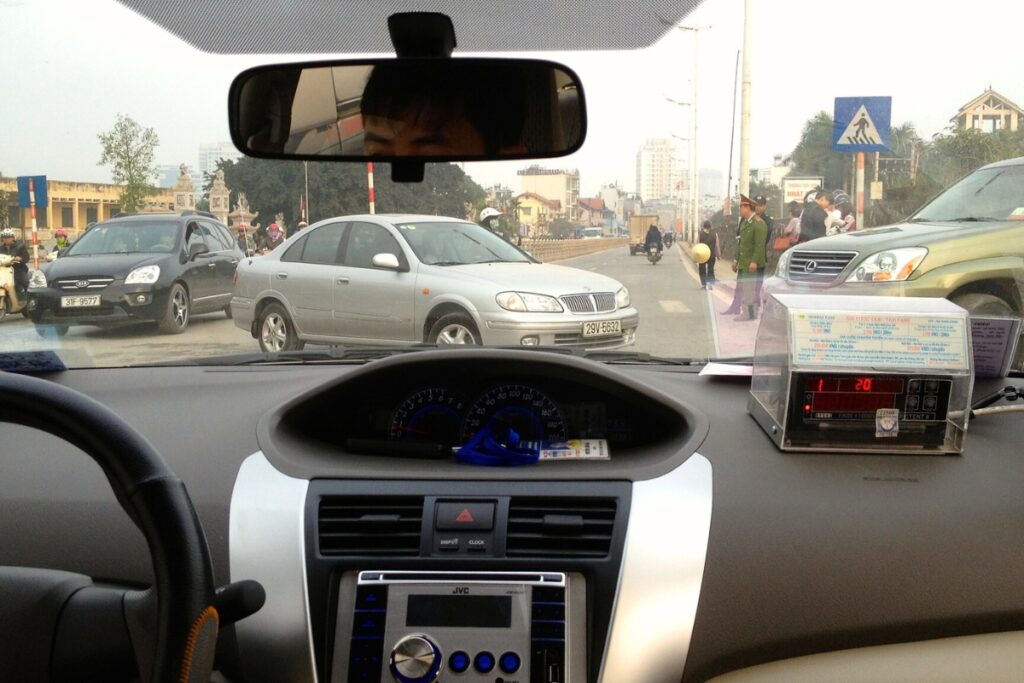
Taxis can be hailed on the street, ordered by phone, or booked through ride-hailing apps like Grab. It’s advisable to use reputable taxi companies like Mai Linh or Vinasun.
For longer journeys or day trips, you can hire a private car with a driver. This can usually be arranged through your hotel or a travel agency.
Taxis in Big Cities
Taxis are everywhere in Vietnam’s larger cities. Be careful of unmarked taxis or ones with suspiciously high starting fares.
How to Spot a Reliable Taxi
- Branding: Look for official company logos and phone numbers on the car.
- Meter Check: Make sure the driver turns on the meter. If they refuse, get out and find another taxi.
- Ask for an Estimate: If you’re going somewhere far, you can ask for a rough idea of the cost.
Private Car Hires
Booking a private car can be done through hotels, travel agencies, or online platforms. You’ll often get a driver who might know basic English. Prices vary by distance, time, and vehicle type.
Benefits of a Private Car
- Door-to-Door Service: The driver picks you up at your hotel and drops you right at your next destination.
- Comfort: You can stop along the way for photos, meals, or restroom breaks.
- Language Help: Drivers sometimes serve as informal guides, giving you tips on the best places to eat or visit.
Negotiating Prices
Outside of big cities, some drivers don’t use meters, especially in tourist towns. In these cases, you might have to agree on a price before starting your journey. Always confirm if it’s in Vietnamese dong (VND) or in dollars, and if the price includes tolls and parking.
Avoiding Scams
- Airport Scams: At major airports, you might encounter unofficial drivers offering rides. Stick to official taxi stands or prearranged transfers.
- Fake Meters: Some dishonest taxis have rigged meters that run faster. Watch if the fare jumps too quickly. If it does, ask the driver to stop and find another taxi.
- Hidden Fees: Some drivers may claim extra charges for luggage. Clarify these details from the start.
When Taxis and Cars Make Sense
- Group Travel: Splitting costs makes a private car or taxi affordable. It’s also less hassle when you have big luggage.
- Late-Night Arrivals: If your flight lands late, public transport might not be available. A taxi or car is your safest bet.
- Short Trips: If you only need a quick ride across town or from your hotel to a restaurant, a taxi can be easier than figuring out bus routes.
Tips for a Smooth Ride
- Write Down Addresses: Vietnamese addresses can be tricky. Have them in writing in case of language barriers.
- Use Translation Apps: If the driver doesn’t speak English, a quick app translation can avoid confusion.
- Be Polite: A simple greeting and smile can ease tensions if there’s any miscommunication.
- Track Your Route: Use Google Maps to ensure you’re headed the right way. This also helps you feel safer.
Buses and Van Limousines

City buses can be boarded at any bus stop, and tickets are bought directly from the conductor.
City Buses
In large cities like Hanoi and Ho Chi Minh City, public buses are a cheap way to get around. A single ride can cost less than a dollar. However, routes and schedules are typically listed in Vietnamese. If you can’t read Vietnamese, an app like Google Maps can show bus numbers and stops.
Tips for City Buses
- Plan Ahead: Write down the bus number and stop names. Have them ready before you board.
- Exact Fare: Buses sometimes only take exact change. Keep small bills handy.
- Crowded Conditions: During rush hour, buses can get packed. Keep an eye on your belongings.
- Watch for Your Stop: Bus drivers may not announce each stop clearly. Track your location on your phone or watch where others get off.
For intercity travel, you have several options. Sleeper buses, which provide reclining seats for longer journeys, can be booked online, at travel agencies, or directly at the bus station.
Long-Distance Buses
Traveling between provinces by bus is common. “Sleeper buses” are popular for overnight trips. They have reclined seats designed for sleeping, although taller travelers might feel cramped. Tickets can be bought at bus stations or through travel agencies.
What to Expect
- Comfort Levels: Some sleeper buses are clean and have air conditioning; others might be older. Reading reviews before booking can help.
- Stops for Meals and Breaks: Long-distance buses usually stop for a quick meal. Bring snacks in case the menu isn’t to your liking.
- Arrival Times: Buses might arrive early morning or late at night. Plan your accommodation and onward transport.
Alternatively, for a more comfortable and faster ride, consider booking a van limousine. These luxury vans offer more legroom, fewer passengers, and amenities like Wi-Fi, air conditioning, and complimentary drinks. They can also be booked online (e.g., 12Go Asia) or through travel agencies.
Be aware that bus schedules can change and delays are not uncommon. Always keep your belongings close, as petty theft can occur on crowded buses.
Trains

Train tickets can be purchased at the station or booked online through the official Vietnam Railways website or a reputable agency like 12go.asia and Baolou.
For popular routes and during peak travel times, it’s advisable to book in advance. The Reunification Express, which runs from Hanoi to Ho Chi Minh City, offers an unforgettable journey through the heart of Vietnam.
Vietnam Train Classes
- Hard Seat: Cheapest option, but the seats are wooden and can be uncomfortable for long trips.
- Soft Seat: A step up with padded seating, still affordable for most travelers.
- Hard Berth (Sleeper): Bunk beds in a shared compartment. It’s more comfortable than a seat, but you’ll share space with other travelers.
- Soft Berth (Sleeper): The most comfortable option with four bunks in a cabin.
Boats and Ferries

Boat and ferry tickets can usually be bought at the pier, but for popular tourist routes, it’s often easier to book a tour through a travel agency. This usually includes transport to the pier, the boat trip, and a guide.
The Mekong Delta and Halong Bay are particularly popular for boat tours.
Domestic Flights and Long-Distance Travel
Vietnam is large, and getting from one region to another can take a while by bus or train. If you have limited time, consider flying.
Domestic flights link major cities like Hanoi, Da Nang, and Ho Chi Minh City. There are also flights to smaller cities, such as Can Tho or Hai Phong.
Major Airlines
- Vietnam Airlines: The national carrier, known for decent service and a wide flight network.
- VietJet Air: A budget airline offering low fares but sometimes with extra fees for baggage or seat selection.
- Bamboo Airways: A newer airline focusing on comfort and quality service. Prices vary.
Other Transportation Modes in Vietnam

Aside from the commonly known ones like motorbikes, bicycles, buses, trains, taxis, boats, and ferries, here are some other popular transportations in Vietnam:
- Cyclo (Xích Lô): A traditional three-wheeled bicycle taxi that’s been in Vietnam since the colonial era. It’s a unique way to explore the streets of cities like Hanoi and Ho Chi Minh City. Passengers sit in a seat at the front while the driver pedals from behind.
- Cable Cars: In scenic areas like Ba Na Hills and Fansipan, cable cars offer breathtaking views of the landscape below. They’ve become a popular way to reach mountainous attractions.
- Horse-drawn Carriages: In some tourist spots and on the islands, horse-drawn carriages are a quaint and leisurely way to explore.
- Bamboo Rafts: In certain regions, especially in the mountainous north, bamboo rafts are used to navigate shallow rivers.
The Rise of Ride-Hailing Apps in Vietnam
Big cities like Ho Chi Minh City and Hanoi can have crazy traffic. With ride-hailing apps, you don’t have to flag down a taxi in a busy street.
In Vietnam, apps like Grab and GoViet have taken the streets by storm. They’re easy to use, reliable, and oh-so-convenient! All you need is your smartphone and a destination.
But what can you expect? Well, friendly drivers, comfortable rides, and a chance to practice your Vietnamese! So, download these apps and get ready to ride!
Helpful Tips
- Peak Hours: Traffic can add time to your journey. Prices may be higher during rush hour (around 7-9 AM and 5-7 PM) or when it’s raining.
- Language Barriers: Many drivers understand simple English words like “left,” “right,” or “stop.” If it’s too hard to communicate, show the driver your location on the map.
Tips for Using Transportation in Vietnam

Navigating through Vietnam’s transportation system can be an adventure in itself. But with a few tips and tricks up your sleeve, you can travel like a pro. Here are some handy pointers to help you on your journey.
Know Your Options
Vietnam offers a wide range of transportation options. From the ubiquitous motorbikes to the scenic train rides, each mode of transport offers a unique experience.
Do a bit of research and choose the one that suits your travel style and itinerary.
Be Safety Conscious
Safety should always be your top priority. Whether you’re riding a motorbike or taking a sleeper bus, always follow safety guidelines.
Wear a helmet when riding a motorbike or bicycle, keep an eye on your belongings on crowded buses, and avoid traveling alone at night in remote areas.
Maps and Navigation
- Google Maps: Great for finding bus routes, restaurants, and tourist spots. Make sure to download offline maps if you plan to explore areas with limited internet.
- Maps.me: Offers detailed offline maps, which can be a lifesaver in rural areas or mountains.
Language Help
- Google Translate: Helpful for reading menus or signs. The voice feature can help you chat with a local who doesn’t speak English.
- Phrasebook Apps: Some travelers prefer offline phrasebooks focused on travel scenarios like ordering food or booking a room.
Accommodation Bookings
- Booking.com: A wide range of hotels, hostels, and homestays. Look for properties with free cancellation if your plans might change.
- Agoda: Popular in Asia, sometimes offers better deals on certain hotels in Vietnam.
- Airbnb: Many homestays and apartments are listed here. It can give you a more local feel than a hotel.
Budgeting and Currency
- XE Currency: Quick and easy way to see how much something costs in your home currency. This helps avoid overpaying.
Consider Travel and Medical Insurance
When planning a trip to Vietnam, it’s also worth considering your travel insurance options. One such option is SafetyWing’s Nomad Insurance. It’s a product designed with the modern traveler in mind, offering coverage for people from over 180 countries.

If you’re someone who frequently travels or lives abroad, this could be a suitable choice. It’s flexible, allowing you to buy insurance while already traveling, and you can even choose to auto-renew your insurance every 28 days.
Starting at $40 for 4 weeks of coverage, it’s an affordable option that covers a range of incidents. This includes unexpected illnesses or injuries, which can be particularly reassuring when navigating the bustling traffic of Vietnam on a rented motorbike or catching a long-distance sleeper bus.
However, like all insurance policies, it’s important to read the fine print. SafetyWing’s Nomad Insurance doesn’t cover routine check-ups, preventative care, or pre-existing conditions. It’s also not designed to replace mandatory health insurance required by some countries for visa purposes.
In the context of transportation in Vietnam, having travel insurance like SafetyWing can provide an extra layer of security. Whether you’re cruising down the Mekong Delta on a boat tour or navigating the busy streets of Hanoi in a taxi, knowing you’re covered can make your journey that much smoother.
Embrace the Local Culture
Transportation in Vietnam is more than just a means to get from point A to point B. It’s a window into the local culture. So, embrace the experience.
Don’t get frustrated by the traffic chaos in the cities. Instead, see it as a part of the local way of life.
Be Prepared for the Unexpected
Delays, sudden weather changes, language barriers – when traveling in Vietnam, always expect the unexpected. But don’t let these minor hiccups dampen your spirit.
After all, they’re all part of the adventure!
Read also:
Use Technology
Technology can make your travel experience smoother. Use Google Maps for navigation, ride-hailing apps like Grab for convenient transport, and translation apps to overcome language barriers.
Conclusion: Transportation in Vietnam
So, there you have it! A quick guide to navigating Vietnam’s transportation system. It might seem daunting at first, but trust me, it’s part of the adventure. Embrace the chaos, enjoy the ride, and immerse yourself in the local culture.
After all, isn’t that what traveling is all about? So, pack your bags, download your apps, and get ready to explore Vietnam like a local!
Frequently Asked Questions
Is it safe to use ride-hailing apps in Vietnam?
Absolutely! They’re reliable and convenient. Just make sure to confirm your destination before starting the ride.
Can I rent a motorbike in Vietnam?
Yes, you can! But remember to always wear a helmet and have your international driving permit.
Is public transport crowded in Vietnam?
It can be, especially during rush hours. Try to plan your travel accordingly.
Are taxis expensive in Vietnam?
Not really. For example, the base fare for a taxi in Ho Chi Minh is 12,000 VND (0.50 USD) and 13,000 VND for each kilometer. But ride-hailing apps are usually cheaper.
Can I travel between cities by train?
Yes! Vietnam has a well-connected train network. It’s a great way to enjoy the scenic beauty of the country.


