

15 Essential Vietnam Travel Tips: Ultimate Guide for 2026
Disclaimer: This page may contain affiliate links. More info in our Privacy Policy
WANT SOME VIETNAM TRAVEL TIPS?
You’ve come to the right place — as we have traveled around Vietnam since 2015!
Vietnam is a gem of Southeast Asia, brimming with rich history, vibrant culture, and breathtaking landscapes. From the bustling streets of Hanoi to the tranquil beauty of Halong Bay, there’s something for everyone in this diverse country.
But wait! Before you pack your bags and hop on a plane, there’s something you need to know.
Traveling to Vietnam, like any foreign country, requires a bit of preparation and local knowledge. Trust me, it’s worth it. The more you know, the better your experience will be.
So, let’s dive in!
Preparing for Your Trip: Vietnam Travel Tips
Before we dive into the fun stuff, let’s cover some essentials. Preparing for your trip to Vietnam might seem like a chore, but trust me, it’s worth it. Here’s what you need to know:
Visa Requirements

First off, visas. Unlike some other Southeast Asian countries (like Thailand, for instance), Vietnam requires most visitors to have a visa approval before arrival. But don’t fret! Here’s a simple step-by-step guide:
- Check the requirements: Depending on your nationality, the requirements can vary. So, make sure to check the latest information from the official Vietnam Immigration website.
- Apply online: You can apply for a visa approval letter online through various travel agencies. It usually costs around $6-$20, depending on the agency and processing time.
- Get your visa on arrival: Once you have your approval letter, you can get your visa stamped on arrival at the airport in Vietnam. The stamping fee is $45 for a single-entry visa and $65 for a multiple-entry visa.
Remember, the process can take a few days, so it’s best to apply at least a week before your trip.
Travel Insurance

Next up, travel insurance. It’s one of those things you hope you’ll never need, but you’ll be glad you have if something goes wrong. Here’s what to look for in a policy:
- Medical coverage: Make sure it covers medical expenses, including emergency evacuation.
- Trip cancellation: This covers your costs if you have to cancel your trip due to unforeseen circumstances.
- Lost or stolen belongings: This covers the cost of replacing your belongings if they’re lost or stolen.
- Adventure activities: If you plan on doing activities like motorbiking or scuba diving, make sure they’re covered.
Connectivity in Vietnam
Finally, let’s talk about staying connected. Whether you need to check your emails, navigate the streets, or share your adventures on social media, here’s how you can stay connected in Vietnam:
- Wi-Fi: Most hotels, cafes, and restaurants offer free Wi-Fi. So, you can easily stay connected while enjoying a cup of Vietnamese coffee.
- SIM card: For constant connectivity, consider buying a local SIM card. You can get or pick-up up a sim at the airport or any mobile phone store. It’s cheap (around $10 for 4GB of data), and the setup process is straightforward.
Top Travel Experiences in Vietnam

Ready to explore Vietnam? Awesome! This country is packed with unforgettable experiences. Here are some of the top ones you shouldn’t miss:
- Cruise in Halong Bay: Imagine floating amidst limestone islands, azure waters, and stunning caves. It’s about a 4-hour drive from Hanoi, and a day cruise can cost around $40. Book online or through your hotel.
- Explore Hanoi’s Old Quarter: Lose yourself in the narrow streets, sample delicious street food, and shop for souvenirs. Grab taxi is a convenient and affordable way to get around Hanoi.
- Visit the Ancient Town of Hoi An: This UNESCO World Heritage Site is a well-preserved example of a Southeast Asian trading port. It’s about 45 minutes from Da Nang airport, and a Grab taxi ride costs around $15.
- Trek in Sapa: If you love nature, you’ll love Sapa. It’s known for its terraced rice fields and ethnic tribes. The overnight train from Hanoi to Sapa costs around $35.
- Experience the Mekong Delta: Take a boat tour to see the floating markets and lush green landscapes. It’s about a 2-hour drive from Ho Chi Minh City, and tours start at $20.
Remember, these are just a few highlights. Vietnam has so much more to offer!
Klook.comBasic Vietnamese Phrases for Travelers
Now, let’s talk language. While many Vietnamese speak English, especially in tourist areas, knowing a few local phrases can enhance your travel experience.
Plus, it’s a sign of respect towards the local culture. Here are some simple phrases to get you started:
- Hello: Xin chào (seen chow)
- Thank you: Cám ơn (kaam uhn)
- Yes: Vâng (vung)
- No: Không (khome)
- Excuse me/Sorry: Xin lỗi (seen loy)
- How much?: Bao nhiêu? (bao nyew)
Don’t worry about perfect pronunciation. The locals will appreciate your effort. So, give it a try! You’ll be surprised how a simple “xin chào” can brighten someone’s day.
Read also: Basic Travel Etiquette in Vietnam
Tips on Food and Drinks in Vietnam

Vietnamese cuisine is a highlight of any trip to the country. Here are some tips to help you enjoy the food and drink scene:
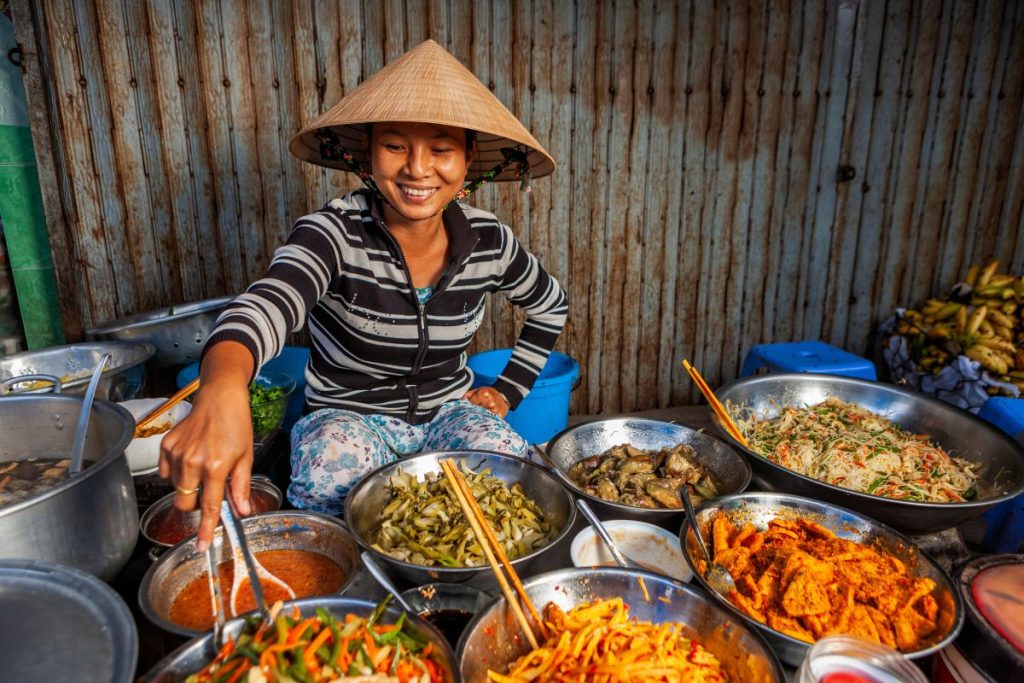
- Try the street food: Vietnam is famous for its street food. From pho (noodle soup) and banh mi (Vietnamese sandwich) to bun cha (grilled pork with noodles) and banh xeo (sizzling pancake), there’s a world of flavors to explore. Street food stalls are usually safe and clean, but as a rule of thumb, go where the locals go.
- Enjoy the coffee culture: Vietnam is the second-largest coffee producer in the world, and its coffee culture is thriving. Don’t miss trying ca phe sua da (iced coffee with condensed milk). If you’re feeling adventurous, you can even try egg coffee, a Hanoi specialty.
- Be adventurous with fruits: Vietnam is a tropical paradise when it comes to fruits. Try exotic fruits like dragon fruit, rambutan, and mangosteen. You can find fresh fruit at markets or from street vendors.
- Eat vegetarian on the first and fifteenth of the lunar month: Many Vietnamese people eat vegetarian food on these days as part of their Buddhist beliefs. It’s a great opportunity to try vegetarian versions of Vietnamese dishes.
- Drink responsibly: Local beers like Bia Hoi and Saigon are cheap and popular, but remember to drink responsibly. Also, avoid homemade spirits (like rice wine) offered in rural areas, as they might be stronger than you expect.
- Don’t drink tap water: The tap water in Vietnam is not safe to drink. Stick to bottled water, and avoid ice in your drinks unless you’re sure it’s made from purified water. Also, consider using bottled water for brushing your teeth.
- Food hygiene: While food safety standards in Vietnam have improved, it’s still a good idea to follow some basic precautions. Eat at busy places (high turnover means food is likely to be fresh), watch your food being cooked if possible, and avoid raw or undercooked meat.
Planning Your Itinerary
Now that we’ve covered the basics, let’s get to the fun part – planning your itinerary! Vietnam is a country of contrasts, with bustling cities, tranquil countryside, stunning beaches, and majestic mountains.
Here are some unmissable cities and places:
Unmissable Cities and Places
- Hanoi: The capital city is a blend of old and new, with French colonial architecture, ancient temples, and modern skyscrapers. Don’t miss the Old Quarter and Hoan Kiem Lake. A Grab taxi ride within the city costs around $2-$5.
- Ho Chi Minh City: Formerly known as Saigon, this city is the commercial hub of Vietnam. Visit the War Remnants Museum, Notre Dame Cathedral, and Ben Thanh Market.
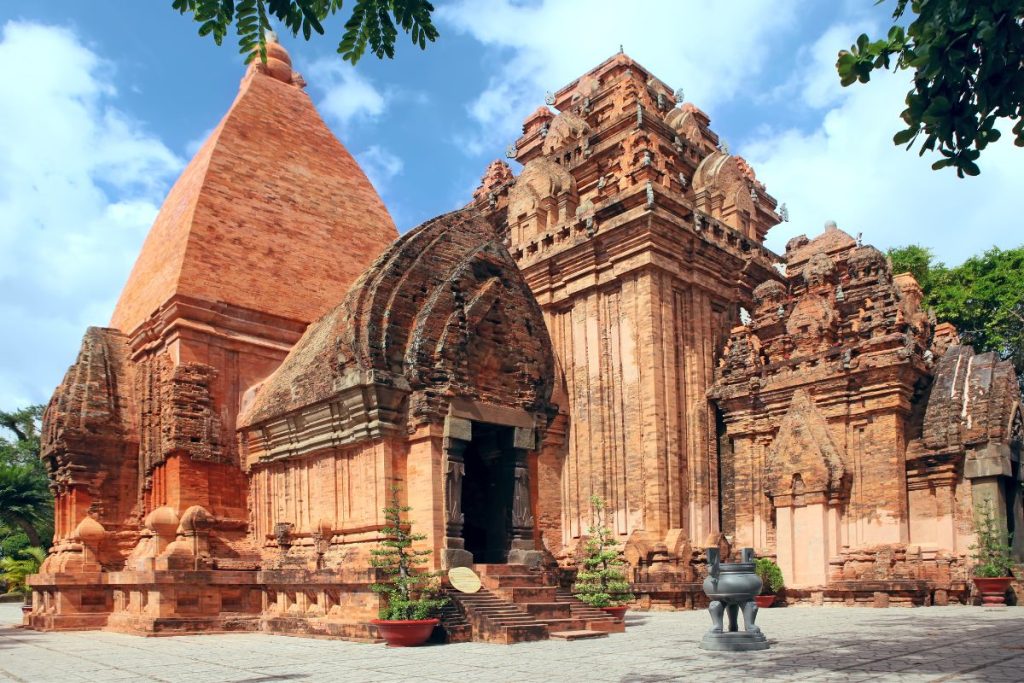
- Nha Trang: This coastal city is famous for its beautiful beaches and scuba diving spots. A day trip to the nearby islands costs around $15.
- Hoi An: This UNESCO World Heritage Site is known for its well-preserved Ancient Town and tailor shops. A full-day bicycle rental costs around $1.
Best Things to Do in Vietnam

- Cruise in Halong Bay: A UNESCO World Heritage Site known for its emerald waters and thousands of towering limestone islands.
- Explore the Cu Chi Tunnels: A vast network of underground tunnels used by Viet Cong soldiers during the Vietnam War.
- Visit the Imperial City in Hue: A walled fortress and palace, and another UNESCO World Heritage Site.
- Trek in Sapa: Meet local tribes and enjoy the stunning views of terraced rice fields.
Other Helpful Tips

Traveling is an adventure, and like any adventure, it’s best to be prepared. Here are some additional tips to help you navigate Vietnam like a pro:
- Be aware of scams: Unfortunately, scams can happen anywhere, and Vietnam is no exception. One common scam involves cyclo drivers who agree on a price for a ride but demand more money once you reach your destination. To avoid this, make sure to confirm the price before you start the ride, and don’t be afraid to insist on the agreed-upon price at the end of the ride.
- Haggle: In Vietnam, haggling is not just accepted; it’s expected, especially in markets. Don’t be shy about negotiating a lower price. Start by offering about half of the initial price and work from there. Remember, it’s a negotiation, so keep it friendly and respectful.
- Wear the right clothes: Vietnam is a conservative country, especially in rural areas and temples. It’s important to dress modestly in these places, which means covering your shoulders and knees. Lightweight, loose clothing is also a good idea in the tropical climate.
- Don’t forget insect repellent: Mosquitoes can be a nuisance in Vietnam, especially in rural areas and during the rainy season. Protect yourself by using an insect repellent, preferably one with DEET. It’s also a good idea to wear long sleeves and pants during dawn and dusk when mosquitoes are most active.
- You don’t need to tip: Tipping is not customary in Vietnam, and service charges are often included in the bill at restaurants and spas. However, if the service was exceptional, a small tip is appreciated. A good rule of thumb is to tip about 10% of the bill.
- Bring a travel adapter: Vietnam uses Type A, C, and F plugs. If your devices use different plugs, make sure to bring a travel adapter. Also, keep in mind that the voltage in Vietnam is 220V. If your devices can’t handle this voltage, you’ll need a voltage converter as well.
Conclusion: Vietnam Travel Tips
And there you have it, folks! A comprehensive guide to traveling in Vietnam. Remember, preparation and local knowledge are key to a smooth and enjoyable trip.
So, take these tips to heart, and you’re sure to have an unforgettable adventure. Vietnam is waiting for you.
Happy travels!
Klook.com


