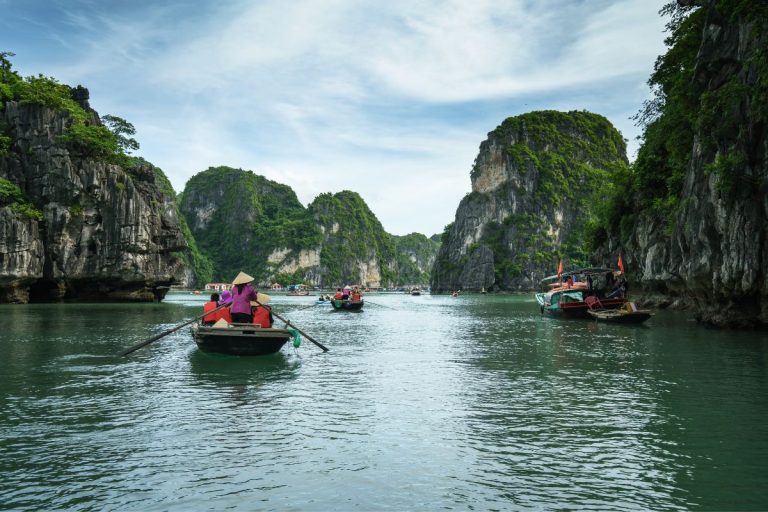
What to Do in Halong Bay? Top Activities & Sights
Disclaimer: This page may contain affiliate links. More info in our Privacy Policy
WHAT TO DO IN HALONG BAY?
This question often crosses the minds of travelers eager to explore one of Vietnam’s most iconic destinations. Having journeyed through Vietnam since 2015, we have been captivated by the country’s rich culture, stunning landscapes, and its unparalleled beauty.
Our experiences have not only deepened our appreciation for this natural wonder but also equipped us with insights to share with fellow adventurers.
Halong Bay, a UNESCO World Heritage Site, is a breathtaking seascape that stretches over the Gulf of Tonkin. Its emerald waters are dotted with over 1,600 limestone islands and islets, each with its own unique shape and size, creating a mystical panorama that leaves every visitor in awe. The natural beauty of Halong Bay is not just about its visual appeal; it’s a sanctuary of biodiversity, home to numerous species of flora and fauna.
For travelers wondering what to do in Halong Bay, the possibilities are as vast as the bay itself. Whether you’re an adrenaline junkie looking for adventure, a history enthusiast keen on exploring ancient caves, or someone seeking to unwind on a luxury cruise, Halong Bay caters to every type of traveler.
From kayaking through hidden lagoons, visiting floating villages, to savoring the local cuisine, the variety of activities available ensures that every visit is filled with unforgettable experiences. Join us as we delve into the wonders of Halong Bay, guiding you through its majestic landscapes and the myriad of activities that await.
Why Visit Halong Bay?
Imagine sailing through emerald waters, surrounded by towering limestone islands topped with rainforests. That’s Halong Bay for you—a magical place where every snapshot is postcard-perfect. This UNESCO World Heritage site isn’t just a feast for the eyes; it’s a dive into Vietnam’s heart.
Unique Geological Formations and Biodiversity
Halong Bay’s beauty is unmatched, thanks to its over 1,600 islands and islets, creating a seascape of limestone pillars. Many of these islands are hollow, with enormous caves that beg to be explored. I remember kayaking through the bay, weaving between the karsts, each turn revealing hidden lagoons and secluded Halong Bay beaches. It’s like nature’s own maze, full of surprises.
The biodiversity here is also something out of a nature documentary. From monkeys frolicking on island cliffs to colorful coral reefs teeming with life beneath the waves, Halong Bay is a living, breathing ecosystem. It’s a reminder of the delicate beauty our world holds, urging us to tread lightly and admire.
Cultural Significance and Historical Sites
Beyond its natural wonders, Halong Bay is steeped in legend and history. The name “Halong” translates to “where the dragon descends into the sea,” and as you glide through the waters, it’s easy to imagine dragons weaving through the karsts, protecting the land. Visiting the floating villages is a profound experience, offering a glimpse into the lives of the bay’s residents, their culture deeply intertwined with the sea.
Historical sites like the ancient Sung Sot Cave reveal stories of times gone by, with stalactites and stalagmites forming natural sculptures that spark the imagination. Each site tells a part of Vietnam’s rich tapestry, making Halong Bay not just a natural wonder, but a cultural treasure.
Best Time to Visit Halong Bay
Deciding when to visit Halong Bay can make or break your trip. The bay’s ethereal beauty shines in all seasons, but each brings its own flavor to the experience.
Discuss Weather Conditions, Peak and Off-peak Seasons
Halong Bay has two main seasons: hot and wet summer, and cool and dry winter. Summers, from May to October, bring warm weather and occasional tropical storms, which can add a dramatic backdrop to the bay but might disrupt travel plans. Winter, from November to April, offers cooler and more stable weather, making it ideal for cruising and exploring the islands.
Peak season falls between December and February, when the weather is most comfortable, but the bay can get crowded. For a more serene experience, consider visiting during the shoulder seasons—March to May or September to November. You’ll enjoy pleasant weather with fewer tourists, allowing for a more intimate exploration of the bay.
Tips for Visiting During Different Times of the Year
If you’re visiting in the summer, prepare for the heat with plenty of sunscreens, and always have a plan B in case of sudden storms. The rain can also bring a mystical feel to the bay, with mists rolling over the karsts, so it’s not all bad.
Winter visits mean packing a bit warmer, but you’ll be rewarded with clear skies and calm waters, perfect for photography and peaceful cruises. No matter when you go, always respect the natural environment and the local communities, ensuring Halong Bay remains pristine for generations to come.
Visiting Halong Bay was a highlight of my travels, a place where nature’s artistry and human history blend seamlessly. Whether you’re paddling through its waters or simply soaking in the views, Halong Bay leaves an indelible mark on your soul.
Top Activities in Halong Bay
Halong Bay, with its emerald waters and thousands of towering limestone islands topped with rainforests, is a place of surreal beauty and adventure. Whether you’re a first-timer or a returning visitor, there’s always something new and exciting to do. Let’s dive into some of the top activities that make Halong Bay a must-visit destination.
Cruising the Emerald Waters
Imagine gliding on serene waters, surrounded by majestic limestone karsts that rise dramatically from the sea. Cruising in Halong Bay isn’t just an activity; it’s an experience that captures the essence of Vietnam’s natural beauty.
Best for: Cruising is perfect for everyone – whether you’re on a romantic getaway, a family vacation, or exploring with friends. It offers a unique perspective of Halong Bay’s iconic landscapes and provides a tranquil escape from the hustle and bustle of daily life.
Types of Cruises: You have options ranging from luxurious day trips to enchanting overnight boats. Day trips are great for those short on time, offering a glimpse into the bay’s splendor. Overnight cruises, on the other hand, let you soak in the sunset, sunrise, and the peaceful night ambiance of Halong Bay.
Highlights of Cruise Routes: A must-visit is the Surprise Cave (Sung Sot Cave), known for its stunning stalactites and stalagmites. Another gem is Ti Top Island, where you can hike to the top for a breathtaking panoramic view of the bay. These spots are just the beginning of what’s in store on a Halong Bay cruise.
How to Get There: Most cruises start from Hanoi, with transport arranged by the cruise operators. It’s about a 2-3 hour drive to the bay, where you’ll board your chosen vessel and embark on your journey.
Activities: Beyond just cruising, you can engage in kayaking, swimming, and even squid fishing on some overnight boats. Each cruise offers a variety of activities designed to immerse you in the natural beauty and cultural richness of Halong Bay.
Opening Hours: Cruises depart at various times throughout the day, but it’s best to start early to make the most of your time in the bay. Overnight cruises typically set sail in the early afternoon.
Other Good-to-Know Tips:
- Booking in advance is recommended, especially during peak season, to secure your spot on the cruise of your choice.
- Consider the time of year when planning your cruise. The weather from October to April is cooler and can offer a different experience compared to the warmer months.
- Don’t forget to pack sunscreen, a hat, and a camera to capture the unforgettable moments you’ll have cruising Halong Bay’s emerald waters.
Cruising through Halong Bay is more than just an activity; it’s an unforgettable adventure that showcases the natural wonders and serene beauty of Vietnam. Whether you’re marveling at the limestone karsts, exploring hidden caves, or simply enjoying the tranquility of the bay, it’s an experience that will stay with you long after your journey ends.
Kayaking and Water Sports

Halong Bay isn’t just about cruising; it’s also a playground for adventure seekers looking to dive deeper into its crystal-clear waters. Kayaking and water sports offer a thrilling way to explore the hidden corners of the bay, getting up close with nature in a way that’s both exhilarating and intimate.
Best for: Kayaking and water sports in Halong Bay are ideal for adventurers, nature lovers, and those looking to add a splash of excitement to their journey. It’s a fantastic way to experience the bay’s beauty from a different perspective.
Best Spots for Kayaking: One of the most magical places to kayak is Luon Cave, a natural tunnel that leads to a secluded lagoon surrounded by towering limestone walls. Another must-visit is the Dark and Light Cave, where you can paddle through a serene waterway that opens up to a hidden world of tranquility.
Information on Water Sports: For those who love diving beneath the surface, Halong Bay offers snorkeling and scuba diving opportunities. While it’s not as famous for its underwater activities as some other destinations, you can still find spots with vibrant marine life and coral. The waters around the bay are calm, making it a good spot for beginners to try snorkeling.
How to Get There: Kayak rentals and water sports activities are usually arranged by your cruise operator or can be found at various points around the bay. Make sure to check with your cruise or tour guide for the best and safest spots.
Activities: Apart from kayaking and snorkeling, you can also try paddleboarding or even take a bamboo boat tour for a more laid-back exploration of the bay’s waters. These activities allow you to discover the bay’s hidden gems and secluded spots not accessible by larger boats.
Opening Hours: Water sports and kayaking can be enjoyed throughout the day, but the best time is in the morning when the water is calmest and the scenery is most serene. Make sure to check the availability and best times with your tour or cruise operator.
Other Good-to-Know Tips:
- Always wear a life jacket when engaging in water sports, regardless of your swimming skills.
- Listen to safety briefings and respect the bay’s environmental guidelines to protect its delicate ecosystem.
- Bring waterproof bags for your electronics and valuables when kayaking or participating in water activities.
- Be mindful of the weather and water conditions, as they can change quickly and affect the safety and enjoyment of your activities.
Kayaking and water sports in Halong Bay offer an unforgettable adventure that brings you face-to-face with the awe-inspiring beauty of this UNESCO World Heritage site. Whether you’re paddling through ancient caves, snorkeling in clear waters, or simply floating peacefully in a secluded lagoon, these activities promise an experience filled with wonder and excitement.
Exploring Caves and Grottoes
Halong Bay isn’t just about the water; it’s also home to some of the most spectacular caves and grottoes in the world. Each cave has its own story, creating a mysterious and magical atmosphere that captivates everyone who visits. Let’s delve into the depths of Halong Bay’s most famous caves.
Best for: Cave exploration in Halong Bay is ideal for adventure seekers, nature lovers, and history enthusiasts. It’s a chance to witness the power of nature’s artistry up close and learn about the geological and historical significance of these natural wonders.
Sung Sot Cave (Surprise Cave): Located on Bo Hon Island, Sung Sot Cave is one of the largest and most renowned caves in Halong Bay. As you step inside, you’ll be greeted by a vast open space filled with stalactites and stalagmites that form incredible shapes. The cave is divided into two main chambers; the first being like a wide theater hall, with the second, even more, impressive, featuring formations that spark the imagination. The light filtering through the cave openings adds to the enchanting atmosphere, making it a truly surreal experience.
Dau Go Cave (Wooden Stakes Cave): This historic cave holds a special place in Vietnamese history, named after the wooden stakes used by General Tran Hung Dao in the 13th century to fend off Mongolian invaders. Dau Go Cave is a visual spectacle, with ancient stalactites hanging from the ceiling like chandeliers and stone columns rising from the ground. The cave’s interior is a kaleidoscope of natural colors, enhanced by strategically placed lighting that highlights the beauty of the formations.
The Significance and Natural Beauty: Both Sung Sot Cave and Dau Go Cave offer more than just visual appeal. They are testimonies to the bay’s rich history and the natural processes that have shaped this landscape over millions of years. Exploring these caves, you’re walking through a natural museum, with each formation telling a story of time, pressure, and perseverance.
How to Get There: Access to these caves is usually part of a cruise itinerary or a guided tour from Halong City. Boats will take you to the islands where the caves are located, with paths and stairs leading to the cave entrances.
Activities: Inside the caves, you can walk along the marked paths and platforms, allowing for safe exploration and ample photo opportunities. Guides often accompany visitors, providing insights into the caves’ history, legends, and geological formations.
Other Good-to-Know Tips:
- Wear comfortable shoes as the ground inside the caves can be slippery and uneven.
- Bring a light jacket; the temperature inside the caves can be cooler than outside.
- Photography is allowed, but flash photography may be restricted to preserve the natural ambiance of the caves.
Exploring the caves and grottoes of Halong Bay offers a unique blend of adventure, history, and natural beauty. It’s an opportunity to connect with the earth’s ancient past and marvel at the wonders that have been sculpted over millennia. Whether you’re standing in the vast chambers of Sung Sot Cave or admiring the historical significance of Dau Go Cave, the experience is sure to be a highlight of your Halong Bay adventure.
Hiking and Cycling on Cat Ba Island
Cat Ba Island, the largest of the 366 islands spanning Halong Bay, is a haven for outdoor enthusiasts. With its rugged limestone mountains, lush jungles, and serene beaches, it offers some of the best hiking and cycling experiences in Vietnam. Let’s explore how you can make the most of these activities on Cat Ba Island.
Best for: Hiking and cycling on Cat Ba Island are perfect for nature lovers, adventure seekers, and those looking to escape the more touristy areas of Halong Bay. These activities provide a unique way to explore the island’s natural beauty and get a glimpse of local wildlife.
Best Trails for Panoramic Views:
- The hike to the top of Ngu Lam Peak is a must-do for breathtaking views of the island and surrounding bay. The trail is well-marked and takes about an hour to ascend, rewarding hikers with 360-degree views of Cat Ba National Park’s lush forests and limestone karsts.
- The Trung Trang Cave to Kim Giao Forest trail offers a mix of cultural and natural exploration, passing through a massive cave system before winding through the forest known for its endemic Kim Giao trees, believed to have magical properties.
Renting Bikes and Safety Tips:
- Renting Bikes: Bicycles and motorbikes are available for rent in Cat Ba Town. Rental shops are plentiful, and prices are reasonable, making it easy to find a suitable bike for your adventure.
- Safety Tips: Always wear a helmet when cycling, especially on motorbikes. Check the bike’s condition before renting, including brakes and lights if you plan to ride in the early morning or late evening. Stick to marked trails and roads, as the island’s terrain can be challenging, and it’s easy to get lost in remote areas.
How to Get There: Cat Ba Island is accessible by ferry from Hai Phong city or by boat from Halong Bay. Once on the island, you can rent bikes from several locations in Cat Ba Town or arrange for guided hiking and cycling tours.
Activities: Beyond hiking and cycling, Cat Ba Island offers a plethora of activities, including rock climbing, kayaking, and exploring the island’s many beaches. The island is also home to the endangered Cat Ba Langur, and if you’re lucky, you might catch a glimpse of these rare primates.
Other Good-to-Know Tips:
- Bring plenty of water, sunscreen, and insect repellent, as the island’s climate can be hot and humid.
- Respect the natural environment by staying on marked trails and disposing of trash properly.
- Consider visiting during the shoulder seasons (spring and autumn) when the weather is more pleasant, and the island is less crowded.
Hiking and cycling on Cat Ba Island offer an immersive way to experience the natural beauty and tranquility of Halong Bay’s largest island. Whether you’re pushing yourself to reach a peak for panoramic views or leisurely cycling through the island’s villages, these activities promise an unforgettable adventure and a deeper connection with nature.
Cultural Experiences
Exploring Halong Bay isn’t just about the natural landscapes; it’s also an opportunity to immerse yourself in the local culture and way of life. Among the most unique and enriching experiences are visits to the floating villages, where life unfolds on the water just as it has for generations.
Visiting Floating Villages
Floating villages like Cua Van and Vung Vieng are not just tourist attractions; they are vibrant communities where fishermen and their families live and work on the water. These villages offer a glimpse into a way of life that is entirely different from the mainland, providing insights into the resilience and traditions of Vietnam’s coastal inhabitants.
Best for: Those interested in cultural immersion, photography enthusiasts, and anyone looking to understand the local way of life. Visiting these villages is a way to appreciate the human side of Halong Bay, beyond its geological wonders.
Life in Cua Van, Vung Vieng Villages: Life here revolves around the water. Homes, schools, and even markets float on rafts, with residents using boats for daily transportation. Cua Van is known for its serene beauty and welcoming community, while Vung Vieng stands out for its preservation of traditional fishing techniques and sustainable aquaculture practices.
How to Visit Responsibly:
- Choose Eco-friendly Tours: Opt for tours that emphasize environmental and cultural preservation. Look for operators that support local communities and minimize the impact on the natural environment.
- Respect Local Customs: Be mindful of the residents’ privacy and way of life. Ask for permission before taking photos, and avoid entering homes uninvited.
- Support the Local Economy: Purchase handicrafts or fresh seafood directly from the villagers if available. This helps provide them with a sustainable income beyond fishing.
- Minimize Environmental Impact: Avoid littering and refrain from disturbing the water around the villages. The health of the bay directly affects the livelihood of these communities.
How to Get There: The floating villages can be visited as part of a cruise itinerary or through a guided kayak tour from Halong City or Cat Ba Island. These tours offer a closer look at the daily routines of the villagers and often include interactions with the locals.
Activities: Visitors can observe traditional fishing techniques, explore the floating homes, and sometimes even participate in daily activities like net weaving or oyster harvesting. Some tours also include visits to the floating schools, offering a poignant view of education in these remote communities.
Opening Hours: Tours to the floating villages are typically available during daylight hours, from early morning to late afternoon. It’s best to visit in the morning when the water is calmest, and the villages are bustling with activity.
Other Good-to-Know Tips:
- Wear comfortable, water-resistant clothing and shoes, as you’ll be traveling by boat.
- Bring sunscreen and a hat to protect against the sun, especially during the midday hours.
- Always follow your guide’s instructions and respect the guidelines for responsible tourism.
Visiting the floating villages of Halong Bay is more than just a sightseeing trip; it’s an immersive cultural experience that offers a deeper understanding of the bay’s heritage and the resilient spirit of its people. By visiting responsibly, you contribute to the preservation of these unique communities and ensure they continue to thrive for generations to come.
Local Cuisine and Where to Find It
Halong Bay isn’t just a feast for the eyes; it’s also a paradise for food lovers. The region’s cuisine reflects the richness of the sea and the creativity of its people, offering dishes that are both delicious and unique. Let’s dive into the must-try dishes and where to find them.
Must-try Dishes:
- Squid Sausage (Chả Mực): This iconic dish is made from ground squid, which is then seasoned, shaped into patties or sausages, and grilled or fried. The result is a crispy outside with a tender, flavorful inside. It’s a testament to the freshness of Halong Bay’s seafood and a must-try for any visitor.
- Grilled Oysters: Halong Bay’s oysters are known for their size and sweetness. Grilled over an open flame and seasoned with a variety of sauces or simply a squeeze of lime, they offer a taste of the sea like no other.
Best for: Seafood enthusiasts, adventurous eaters, and anyone looking to experience the local flavors of Halong Bay. These dishes provide a direct connection to the bay’s maritime culture and culinary traditions.
Recommended Restaurants and Street Food Spots:
- Cua Vang Restaurant: Renowned for its Chả Mực, Cua Vang offers a taste of traditional Halong Bay cuisine with a view of the bay itself. It’s a great place to try various local dishes in a more formal setting.
- Bai Chay Market: For a more authentic, street-food experience, head to Bai Chay Market. Here, you’ll find vendors selling freshly grilled oysters, squid sausage, and a variety of other local specialties. It’s an excellent opportunity to sample different dishes at reasonable prices.
- Seafood Street (Đường Hải Sản): This street, located near the waterfront in Halong City, is lined with stalls and small eateries offering the freshest catch of the day. From grilled fish to shrimp and crab, it’s a seafood lover’s dream.
How to Get There: Most restaurants and street food spots are easily accessible from the main areas of Halong City or Tuan Chau Island. Bai Chay Market and Seafood Street are within walking distance or a short taxi ride from the city center.
Activities: Beyond just eating, visiting these spots offers a glimpse into the local way of life. You can watch as chefs prepare your meal, interact with locals, and enjoy the lively atmosphere of Halong Bay’s food scene.
Other Good-to-Know Tips:
- Be adventurous and try dishes beyond your comfort zone. Halong Bay’s cuisine is diverse and full of surprises.
- Ask for recommendations from locals or your tour guide to discover hidden gems.
- Remember to check the opening hours of restaurants and markets, as some may close early or be open only during specific hours.
Sampling the local cuisine of Halong Bay is an essential part of the experience, offering flavors that are as memorable as the landscapes. Whether you’re enjoying a plate of squid sausage with a view of the limestone karsts or savoring grilled oysters at a bustling market, the tastes of Halong Bay are sure to leave a lasting impression.
Tips for Responsible Tourism
Visiting Halong Bay is a dream come true for many travelers, but with the beauty and serenity of this UNESCO World Heritage site comes the responsibility to preserve it for future generations. Responsible tourism is not just a choice; it’s a necessity. Here are some tips on how you can contribute to the environmental preservation efforts and ensure sustainability during your visit.
Environmental Preservation Efforts
Halong Bay faces challenges from pollution and over-tourism, which threaten its delicate ecosystems and natural beauty. Efforts to combat these issues include stricter regulations on waste disposal for boats and businesses, promoting eco-friendly tours, and initiatives to clean up the bay. Conservation projects also aim to protect the biodiversity of the area, including endangered species like the Cat Ba Langur.
How Tourists Can Contribute to Sustainability
Choose Eco-friendly Tours: Support tour operators that prioritize environmental sustainability, such as those using electric or sail-powered boats, implementing waste reduction practices, and offering educational content about conservation.
Minimize Your Environmental Footprint: Reduce your use of single-use plastics by bringing a reusable water bottle, bags, and utensils. Dispose of your waste properly, and always follow the “leave no trace” principle, ensuring you leave the places you visit as you found them or better.
Respect Wildlife and Natural Habitats: Maintain a safe and respectful distance from wildlife, and avoid feeding or disturbing animals. Stick to designated paths and areas to minimize your impact on natural habitats.
Support the Local Economy: Choose locally owned accommodations, restaurants, and shops. Buying local products not only provides you with authentic experiences but also helps sustain the local community.
Educate Yourself and Others: Learn about the environmental challenges facing Halong Bay and share your knowledge with fellow travelers. Awareness is the first step towards change.
Participate in Conservation Activities: If possible, take part in beach clean-ups or other environmental initiatives. Many organizations in Halong Bay welcome the help of volunteers.
Other Things To Consider:
- Be mindful of water usage, as resources on islands and boats can be limited.
- Consider offsetting your carbon footprint by investing in carbon offset programs or choosing transportation options with lower environmental impact.
- Always ask for permission before taking photos of local people or their property. Showing respect for the local culture and traditions is part of being a responsible tourist.
Responsible tourism in Halong Bay is about making conscious choices that enhance your experience while ensuring the preservation and protection of this magnificent landscape. By following these tips, you contribute to a sustainable future for Halong Bay, ensuring that it remains a source of wonder and inspiration for generations to come.
Planning Your Trip
Embarking on a journey to Halong Bay begins with careful planning, especially when it comes to transportation and selecting the right tours or cruises. This majestic destination is well-connected to Hanoi, making it accessible for travelers from around the globe. Here’s how to navigate your way to this natural wonder and ensure a smooth start to your adventure.
How to Get There
Transportation Options from Hanoi:
- By Bus: Regular buses run from Hanoi to Halong Bay, offering an affordable and convenient option. The journey takes approximately 4 to 6 hours, depending on traffic. Luxury buses are available for those seeking more comfort.
- By Shuttle Van: Shuttle vans or minibusses provide a faster and more comfortable ride, with door-to-door service from your hotel in Hanoi to Halong Bay. The trip usually takes around 3 to 4 hours.
- By Seaplane: For a unique and breathtaking experience, consider taking a seaplane from Hanoi to Halong Bay. Not only does this cut down travel time to about 45 minutes, but it also offers stunning aerial views of the bay. This option is more expensive but unforgettable.
- By Private Car: Hiring a private car allows for flexibility and convenience, especially for those traveling in groups or with lots of luggage. It’s advisable to book through a reputable company or your hotel.
Tips for Booking Tours and Cruises:
- Research Thoroughly: Spend time researching different tour operators and cruise lines to find one that matches your preferences, budget, and sustainability practices.
- Read Reviews: Online reviews can provide valuable insights into the experiences of past travelers. Look for feedback on the quality of the boats, guides, food, and overall experience.
- Book in Advance: Especially during peak travel seasons, it’s wise to book your tour or cruise well in advance to secure your spot and avoid disappointment.
- Understand What’s Included: Make sure you know what’s included in your tour or cruise package. Some may include meals, entrance fees, and activities, while others may not.
- Check for Hidden Costs: Be aware of any additional costs not included in your package, such as drinks, personal expenses, or tips.
- Ask About Group Sizes: Smaller group sizes generally offer a more personalized and enjoyable experience. Ask about the maximum number of passengers on the tour or cruise.
- Consider Your Interests: Whether you’re into adventure sports, cultural experiences, or relaxation, make sure the tour or cruise you choose aligns with your interests.
Other Things To Consider:
- Consider the time of year when planning your visit, as weather conditions can significantly impact your experience.
- If you have specific dietary requirements, inform your tour operator or cruise line in advance.
- Always carry essential items such as sunscreen, insect repellent, and a hat to protect against the sun and bugs.
Planning your trip to Halong Bay with these tips in mind will help ensure a memorable and hassle-free experience. From the moment you decide to visit this iconic destination to the journey back home, every step of the way offers an opportunity to create lasting memories amidst the natural beauty of Vietnam.
Conclusion
Halong Bay, with its ethereal beauty, towering limestone pillars, and emerald waters, stands as a testament to nature’s artistry. It’s a place where adventure meets tranquility, and cultural heritage intertwines with breathtaking landscapes. From cruising the serene waters to exploring ancient caves, indulging in local cuisine, and embracing the local way of life in floating villages, Halong Bay offers an experience that is both enriching and unforgettable.
As we’ve journeyed through the myriad of activities and experiences that Halong Bay has to offer, it’s clear why this UNESCO World Heritage site is a must-visit destination for travelers from around the globe. Whether you’re seeking adventure, relaxation, or cultural immersion, Halong Bay caters to all, promising memories that will last a lifetime.
However, with the privilege of experiencing such pristine natural beauty comes the responsibility to protect and preserve it. As travelers, we are custodians of the places we visit, and Halong Bay is no exception. By choosing eco-friendly tours, respecting local communities, and practicing responsible tourism, we can ensure that Halong Bay remains a vibrant and vital ecosystem for future generations to enjoy.
So, as you plan your trip to this magnificent corner of the world, remember to explore responsibly, embrace the diverse activities with an open heart, and let the magic of Halong Bay transform your travel experience. Halong Bay is not just a destination; it’s a journey into the heart of nature’s wonder, inviting you to be part of its ongoing story. Let’s tread lightly and with respect, ensuring that the beauty of Halong Bay continues to inspire awe and wonder for many years to come.
Frequently Asked Questions
What Activities Are Available in Halong Bay?
When visiting Halong Bay, you can immerse yourself in a variety of activities that showcase the area’s natural beauty and cultural richness. You can unwind on a scenic cruise, paddle through mysterious caves by kayak, explore the vibrant life of floating villages, or savor the exquisite local cuisine. Halong Bay caters to diverse interests, ensuring a memorable experience for every traveler.
How Long Should You Stay in Halong Bay?
A typical Halong Bay cruise spans two days and one night, offering a balanced itinerary that allows you to explore the bay’s iconic sights at a leisurely pace. This duration is ideal for soaking in the stunning landscapes, engaging in various activities, and experiencing the tranquil beauty of Halong Bay under the stars.
What Makes Halong Bay Famous?
Halong Bay is celebrated for its extraordinary seascape of limestone karsts and isles in various shapes and sizes, a spectacle formed over thousands of years. Its status as a UNESCO World Heritage Site since 1994 underscores its global significance, highlighting its breathtaking natural beauty, historical depth, and rich biodiversity.
Is Halong Bay Worth Visiting?
Nestled in Vietnam’s northeast, Halong Bay is a jewel worth exploring. Its unique blend of mesmerizing natural landscapes, crystal-clear waters, and lush vegetation, coupled with the charm of floating villages and the allure of ancient caves, makes it an unforgettable destination that promises both relaxation and adventure.
When Is the Best Time to Visit Halong Bay?
The ideal months to visit Halong Bay are from October to April when the weather is cooler and more comfortable for exploring. This period strikes a perfect balance, offering pleasant temperatures and high activity levels, making it an excellent time for sightseeing and outdoor activities.
Which Area of Halong Bay Is the Best?
For an unparalleled Halong Bay experience, Bai Tu Long Bay stands out as a less crowded and more pristine area. Offering a peaceful and authentic exploration of the bay’s beauty, Bai Tu Long Bay features stunning islands, caves, beaches, and fishing villages, providing a tranquil alternative to the more frequented parts of Halong Bay.