

The Top Hanoi Pottery Classes for an Authentic Experience
Disclaimer: This page may contain affiliate links. More info in our Privacy Policy
LOOKING TO BOOK ONE OF THE TOP HANOI POTTERY CLASSES?
Ever thought about diving hands-first into the world of pottery? Well, there’s no better place to start than Hanoi, the heart of Vietnam’s rich pottery tradition.
Having journeyed through Vietnam since 2015, we’ve delved deep into its vibrant culture and traditions. One craft that has truly captivated us is pottery, especially in the historic heart of Hanoi, where the art form thrives with timeless elegance.
Top Hanoi Pottery Classes
Imagine this: You’re sitting at a pottery wheel, the cool clay spinning under your hands. You’re not just making a pot; you’re stepping into a story that’s thousands of years old. Pretty cool, right?
But why pottery, you ask? Well, it’s not just about creating something with your own two hands (though that’s a big part of it!). It’s also about slowing down, about connecting with a piece of Vietnam’s culture, and about the sheer joy of learning something new.
So, ready to get your hands dirty? Let’s dive in!
1. Pottery Class in Hanoi Old Quarter by Authentic Bat Trang
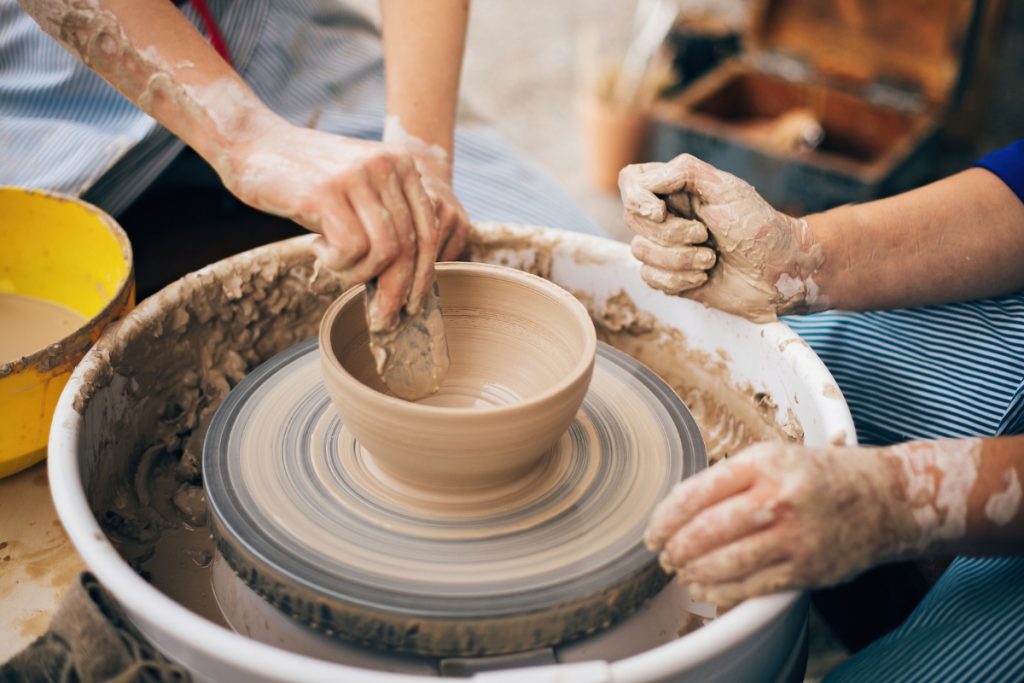
⭐Rating: 5 out of 5 |⌛Duration: 3 hours | 💲Check price and availability
Overview of the Class
Ready to get your hands dirty? The authentic Bat Trang pottery class in Hanoi’s Old Quarter is a must-try. Here’s what you can expect:
- A 3-hour immersive experience in pottery making.
- Located in the heart of Hanoi’s Old Quarter, it’s just a 15-minute taxi ride from Hoan Kiem Lake.
- Classes run daily from 9 AM to 5 PM, so you can easily fit it into your travel itinerary.
What Makes it Unique
But what sets the Authentic Bat Trang class apart? Well, it’s all about the authenticity:
- You’ll be learning from local artisans who’ve been in the pottery game for generations.
- The class takes place in Bat Trang village, a centuries-old hub of pottery making.
- You’ll get to create your own pottery piece, from shaping the clay to painting your finished product. It’s a hands-on experience like no other!
How to Book and Pricing Details
Convinced? Here’s how you can secure your spot:
- Book via Get Your Guide.
- The class costs around VND 819,000 (about 35 USD), including all materials and your own pottery piece to take home.
- It’s best to book at least a day in advance to ensure availability.
2. 3-Hour Bat Trang Pottery & Ceramic Class in Hanoi City Center
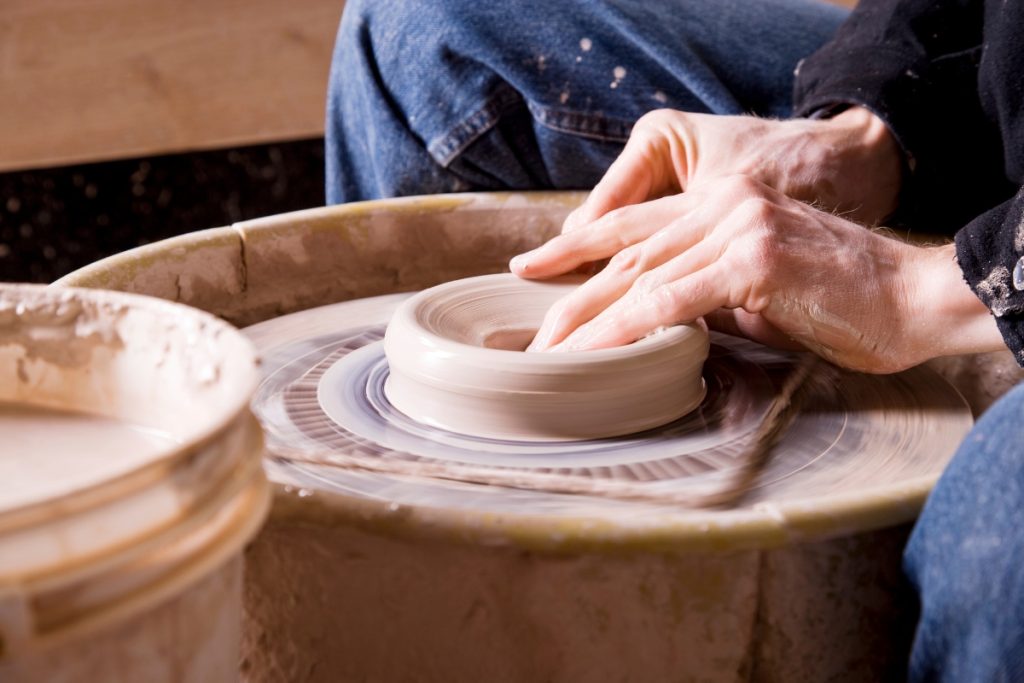
⭐Rating: 5 out of 5 |⌛Duration: 3 hours | 💲Check price and availability
Overview of the Class
Looking for a quick but immersive pottery experience? The 3-hour Bat Trang Pottery & Ceramic Class in Hanoi City Center is just the ticket. Here’s what you can expect:
- A compact 3-hour class, perfect for fitting into a busy travel schedule.
- The class is conveniently located in Hanoi City Center, just a short walk from major landmarks.
- Classes run daily from 9 AM to 5 PM, so you can choose a time that suits you best.
What Makes it Unique
So, what sets this class apart from the rest? Here’s the scoop:
- You’ll be learning in Bat Trang, a village renowned for its pottery for centuries.
- The class is hands-on, meaning you’ll be shaping, molding, and painting your own pottery piece.
- Plus, you’ll be learning from expert artisans, who’ll share their tips and tricks for creating beautiful pottery.
How to Book and Pricing Details
Ready to get your hands dirty? Here’s how to book:
- You can book directly through Viator.
- The class costs around VND 300,000 (approximately 13 USD), including all materials and your own pottery piece to take home.
- It’s recommended to book at least a day in advance to ensure availability.
So, are you ready to dive into the world of Bat Trang pottery? We promise it’s an experience you won’t forget!
3. Bat Trang Pottery Ancient Village by Motorbike
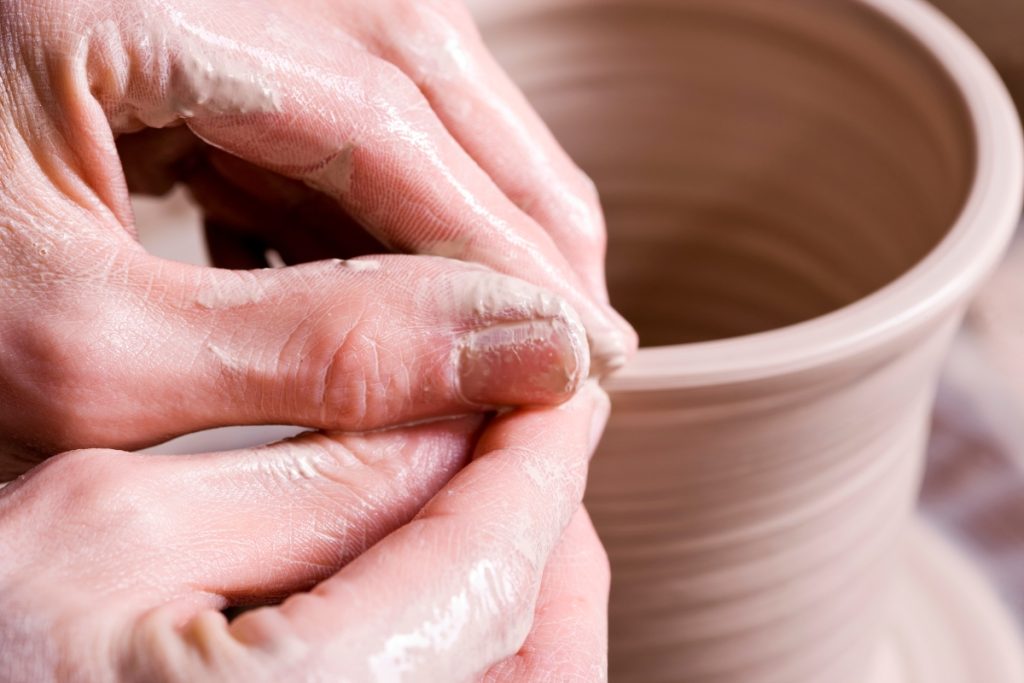
⭐Rating: 4.8 out of 5 |⌛Duration: 5 hours | 💲Check price and availability
Overview of the Workshops
Ready to explore the world of arts and crafts near Hanoi? That’s right. Bat Trang is famous for its high quaity ceramic products and only less than an hour away from Hanoi.
Bat Trang is one of the most unforgettable day trips from Hanoi. So why not take the time to visit and explore the handcraft proccess of ceramic production in this pottery village? Here’s the lowdown:
- Take in the scenic beauty of the Red River countryside en route to Bat Trang pottery village.
- Delve into the intricate process of ceramic crafting.
- Browse for distinctive ceramic pieces to add to your collection.
- Engage in hands-on ceramic creation on your own.
How to Book and Pricing Details
Intrigued? Here’s how to book:
- You can book through Get Your Guide.
- The cost of the workshops varies, but you can expect to pay around VND 1,738,200 (approximately 70 USD) for a pottery class, including all materials.
- It’s best to book a few days in advance to ensure availability.
Frequently Asked Questions
-
How was Vietnamese style pottery ceramics different from Chinese ceramics?
▪ The difference between Vietnamese and Chinese ceramics lies primarily in the density and durability of the pottery.
▪ Vietnamese pottery is denser and is fired at a higher temperature, making it more durable than Chinese pottery. This allows Vietnamese pottery to withstand harsh weather conditions and can be left outside all winter. However, Vietnamese pottery usually comes in fewer colors and is slightly more expensive compared to Chinese pottery.
▪ Chinese pottery, on the other hand, offers a wider variety of colors and is generally less expensive. It also features multicolored drip glazes that are unique to Chinese pottery. However, Chinese pottery requires some preparatory steps before planting and before temperatures consistently drop below freezing. -
What is the history of ceramics in Vietnam?
▪ The history of ceramics in Vietnam spans more than 2000 years. The pottery-making technique was initially acquired from China, leading to the creation of a unique genre of Vietnamese ceramics.
▪ The development of pottery flourished under the Ly and Tran feudal dynasties, with popular items including kettles, vases, bowls, and plates. During the mid-15th to 17th centuries, trade activities between Vietnam and foreign countries developed robustly, and Vietnamese ceramics were also made for export to Southeast, Eastern, and Western Asian countries.
▪ Despite historical ups and downs leading to the disappearance of many pottery hubs in the 17th-18th centuries, ceramic kilns in Hanoi’s Bat Trang village still remain in operation to this day.
Conclusion
And there you have it, fellow travelers – a comprehensive guide to the top 7 pottery classes in Hanoi. From the bustling Old Quarter to tranquil local villages, from traditional pottery making to unique incense and dyeing workshops, Hanoi offers a wealth of opportunities to dive into the world of pottery.
Remember, each of these classes is more than just a chance to learn a new skill. They’re a way to connect with Vietnam’s rich cultural heritage, to slow down and create something with your own hands, and to take home a piece of your journey that’s uniquely yours.
So, whether you’re a seasoned potter or a curious beginner, we hope this guide helps you find the perfect pottery class in Hanoi. Happy creating, and enjoy your journey in the world of pottery! 🍯


