

Is Hanoi Safe for Tourists? 5 Things to Consider
Disclaimer: This page may contain affiliate links. More info in our Privacy Policy
IS HANOI SAFE FOR TOURISTS?
You’ve come to the right place — as we have traveled around Vietnam since 2015!
Are you excited about your upcoming trip to Hanoi, Vietnam, but wondering, “Is Hanoi safe?” Don’t worry, we’ve got you covered. In this guide, we’ll cover everything you need to know about staying safe in Hanoi, including:
- Crime rates
- Traffic safety
- Health and hygiene
- Political situation
- Cultural etiquette
We understand that safety is a top priority for travelers, and our goal is to equip you with all the information you need to have a safe and enjoyable trip to Hanoi. So, let’s dive in and learn more about this beautiful city and answer the question “Is Hanoi safe?”
1. Exploring Crime Rates: Is Hanoi Safe for Visitors?
Considering the low crime rates and friendly atmosphere, many visitors find themselves reassured when asking, ‘Is Hanoi safe?’
Hanoi is considered a relatively safe city compared to other major cities in the world. However, tourists should still be aware of the common types of crimes that occur in the city, such as pickpocketing, bag snatching, and scams. These crimes are more likely to occur in crowded tourist areas like the Old Quarter, Hoan Kiem Lake, and the Night Market.
Here are some practical tips to keep in mind to avoid becoming a victim of crime in Hanoi:
- Keep your valuables (passport, money, phone, etc.) close to your body and out of sight.
- Avoid carrying a lot of cash with you and only withdraw money from ATMs located inside banks or shopping centers.
- Be cautious of people who approach you on the street, especially if they seem overly friendly or persistent.
- Use a money belt or hidden pouch to keep your belongings safe while exploring the city.
- Only use reputable taxi or ride-sharing services, and always confirm the price before getting in.
- Be wary of strangers offering free or discounted tours, as they can often be a setup for a scam.
According to the 2024 Numbeo Crime Index, Vietnam ranked 90th out of 146 countries surveyed.
On the bright side, Hanoi has a safety index score of 64.90. This is higher than Ho Chi Minh City with a safety index score of 48.15. So, while crime rates in Hanoi are relatively low, it’s still important to take precautions to stay safe while exploring the city.
Emergency Contacts for Travelers in Vietnam
Ensuring the safety of visitors under unforeseen circumstances is paramount. Good preparation and acquiring useful travel information before embarking on a trip to Vietnam can make a significant difference.
Key Dialing Information:
- Vietnam Country Code: +84
- International Call Prefix: 00
- Trunk Prefix: 0
- Hanoi area code: 4
Essential Emergency Phone Numbers:
- Police: 113
- Fire Department: 114
- Ambulance – First Aid: 115
Additional Useful Numbers:
- Weather Forecast: 1080
- Domestic Long Distance Telephone Service: 101
- International Telephone Service: 110
- General Information Service: 1080
- Law Consultancy Service: 1088
- Phone Number Enquiries: 116
How to Dial:
- From a Telephone: Dial the emergency number directly without adding any area code.
- From a Mobile: Add your current area code before the emergency number. For example, if you are in Hanoi and want to call 113, dial 04-113.
2. Navigating Hanoi’s Streets: Is Hanoi Safe in Terms of Traffic?
Navigating the bustling streets of Hanoi can be a thrilling experience, but it’s essential to exercise caution and adhere to traffic rules to ensure your safety. Therefore, it’s common for travelers to inquire, ‘Is Hanoi safe when it comes to traffic?
Traffic in Hanoi can be overwhelming for tourists, especially those coming from countries with stricter traffic regulations. The city’s streets are constantly buzzing with a sea of motorbikes, cars, and bicycles, and crossing the street can feel like a daunting task.

However, with a few tips and some common sense, tourists can navigate the city’s traffic safely.
When it comes to crossing the street in Hanoi, the key is to be patient and confident. Here are some tips for crossing the street safely:
- Wait for a gap in traffic, then walk at a steady pace across the street without stopping or changing your pace.
- Don’t make any sudden movements or changes in direction, as this can confuse drivers and increase the risk of an accident.
- Look both ways before crossing, even on one-way streets, as motorbikes and bicycles often go against traffic flow.
- If you’re still feeling unsure, follow the lead of locals and cross the street with them.
It’s also important to be aware of the laws regarding motorbikes and bicycles in Hanoi. Motorbikes and bicycles are a popular mode of transportation in the city, but they can also be dangerous if not used properly. Here are some laws to keep in mind:
- It’s mandatory to wear a helmet when riding a motorbike or bicycle in Hanoi.
- It’s illegal to ride a motorbike or bicycle on the sidewalk or in pedestrian-only areas.
- Motorbikes and bicycles must have a bell, lights, and reflectors for nighttime riding.
If you’re planning on renting a motorbike or bicycle in Hanoi, it’s important to take certain precautions to ensure your safety:
- Only rent from reputable rental companies and check the condition of the vehicle before renting.
- Always wear a helmet and obey traffic laws.
- Be aware of your surroundings and don’t take unnecessary risks.
3. Prioritizing Health and Hygiene: Is Hanoi Safe for Travelers’ Well-being?
Potential Health Risks in Hanoi
Before traveling to Hanoi, it is advisable to research potential health risks, such as air pollution or food safety concerns, to make an informed decision about your well-being. So, the question ‘Is Hanoi safe in terms of health?’ becomes crucial for many travelers.
Food and Water Safety
While street food is one of the most popular culinary experiences in Hanoi, it can also pose a risk to your health. It’s essential to ensure that the food you’re eating is fresh and properly cooked. Avoid food that has been sitting out for an extended period and opt for places that are busy and have a high turnover of customers.

Drinking tap water in Hanoi is not recommended. Instead, always drink bottled water, and make sure that the seal is intact before opening it. If you’re unsure about the quality of the water, it’s best to boil it before use.
Air Pollution
Hanoi is notorious for its air pollution, which can be harmful to your respiratory system. The high levels of pollution are caused by traffic, construction, and industry. If you’re sensitive to air pollution, consider wearing a mask or limiting your time outside on days with particularly bad air quality.
Common Illnesses
Hanoi is a tropical destination, and as such, there are several diseases that you should be aware of. Dengue fever and malaria are both mosquito-borne illnesses that are prevalent in Hanoi. It’s essential to take measures to prevent mosquito bites, such as wearing long-sleeved shirts and pants and using insect repellent.
Tips for Staying Healthy in Hanoi
Food and Water
To stay healthy in Hanoi, it’s crucial to pay attention to what you’re eating and drinking. Here are some tips:
- Stick to bottled water and avoid ice cubes, which may have been made with tap water.
- Wash your hands frequently, especially before eating.
- Be cautious of street food vendors, and make sure that the food is fresh and properly cooked before eating.
- Avoid raw or undercooked food, including fruits and vegetables, which may have been washed with contaminated water.
Air Pollution
To reduce your exposure to air pollution, consider taking these steps:
- Wear a mask when outside, especially on days with high levels of pollution.
- Stay inside during times of heavy traffic or construction.
- Use an air purifier in your hotel room or rental.
General Health
To stay healthy while traveling in Hanoi, consider these tips:
- Get vaccinated before your trip, especially if you’re visiting rural areas.
- Use sunscreen and stay hydrated to avoid heat stroke and dehydration.
- Carry a basic medical kit with you, including any necessary prescription medications.
- Take breaks often and rest when needed to avoid exhaustion.
Healthcare System in Hanoi
Hanoi has a growing healthcare system, with both public and private hospitals and clinics. However, the quality of care can vary greatly, and language barriers may pose a challenge for non-Vietnamese speakers. It’s essential to have travel insurance that covers medical care in case of an emergency.
If you need medical attention while in Hanoi, consider visiting one of the private hospitals, such as Hanoi French Hospital or Family Medical Practice. These hospitals have English-speaking staff and offer a higher standard of care than many public hospitals. In case of an emergency, call 112 for an ambulance.
4. Political Stability and Safety: Is Hanoi Safe Amidst the Current Political Landscape?
The political situation in Hanoi remains stable, providing a safe environment for both residents and visitors. When considering a trip to Vietnam’s capital, it’s natural to wonder, ‘Is Hanoi safe in terms of the political climate?
Current Political Situation in Hanoi
Hanoi is the capital of Vietnam, which is a socialist republic governed by the Communist Party of Vietnam. The government has tight control over the media and the internet, and there are strict laws against political dissent.
While protests are rare in Hanoi, they can occur, and it’s important for tourists to be aware of their surroundings and stay away from any demonstrations or political gatherings.
Travel Advisories for Hanoi
Many countries have travel advisories in place for Hanoi, which are designed to keep citizens informed about potential risks. The U.S. State Department, for example, has a Level 1 Travel Advisory for Vietnam, which means visitors should exercise normal precautions. Other countries, like Australia and Canada, also have similar advisories in place.
It’s important to check for travel advisories before your trip and stay up to date with any changes. You can usually find the latest travel advisories on your country’s government website or by contacting the embassy in Vietnam.
Tips for Staying Safe During Emergencies
While emergencies and political unrest are rare in Hanoi, it’s still important to be prepared in case something does happen. Here are some tips for staying safe:
- Stay informed: Keep an eye on local news and follow the advice of local authorities. If there’s an emergency or political unrest, they’ll likely issue instructions on what to do.
- Avoid political gatherings: As mentioned earlier, protests and political gatherings can occur in Hanoi. It’s best to avoid these areas and not engage in any political discussions or activities.
- Be prepared to leave: If there’s a serious emergency, like a natural disaster or civil unrest, you may need to leave Hanoi quickly. Make sure you have a plan in place and know how to get to the airport or border crossing.
- Stay in touch: Make sure someone knows where you are and how to contact you in case of an emergency. Keep your phone charged and on you at all times.
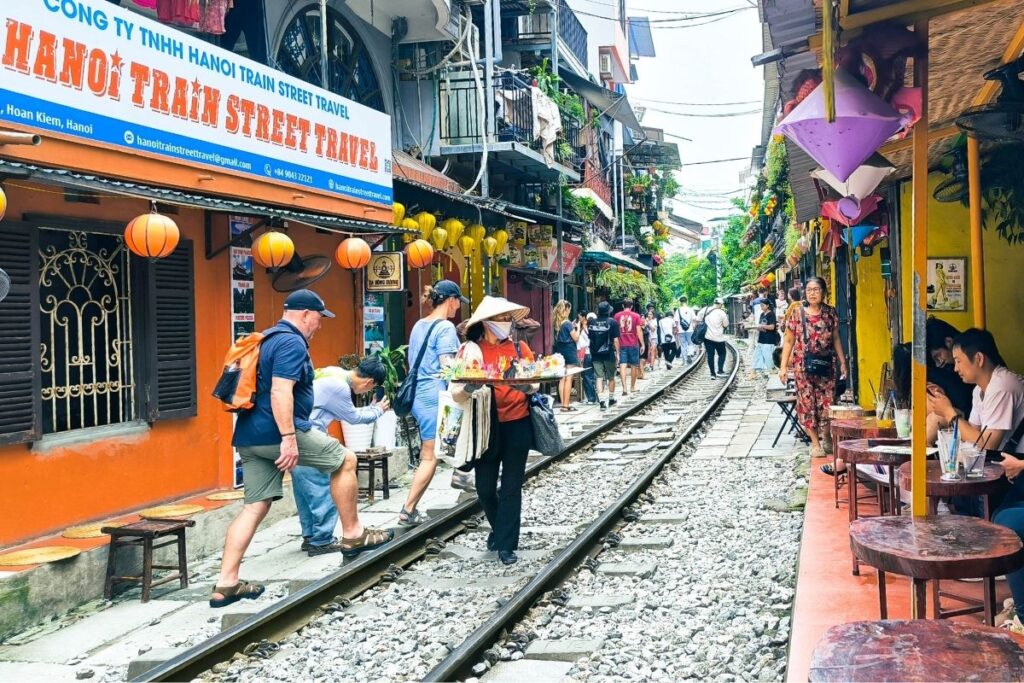
5. Cultural Etiquette and Safety: Is Hanoi a Safe Destination for Cultural Interaction?
Respecting the cultural norms and etiquette in Hanoi is essential for a harmonious experience. Understanding the local customs and traditions ensures a safe and enriching journey. So, when immersing yourself in the vibrant culture of Hanoi, it’s important to ask, ‘Is Hanoi safe in terms of cultural etiquette?
Hanoi has a unique culture and rich history that is worth exploring. However, as a tourist in Hanoi, it’s important to be respectful of the local culture and customs. Here are some tips to help you navigate the cultural etiquette in Hanoi:
Understanding the Culture
Vietnamese culture is heavily influenced by Confucianism, which emphasizes respect for authority, family values, and social harmony. In Hanoi, family and community are at the center of daily life. Therefore, it’s important to be mindful of the local customs and values.
Common Customs and Etiquette
- Dress appropriately: When visiting temples, pagodas, or government buildings, it’s important to dress modestly and remove your shoes. It’s also important to cover your shoulders and knees to show respect.
- Use your right hand: In Vietnam, it’s considered impolite to use your left hand for eating, shaking hands, or passing items. Always use your right hand instead.
- Take off your hat: When entering someone’s home or a religious building, it’s customary to remove your hat.
- Don’t point: Pointing with your finger is considered rude in Vietnamese culture. Instead, use your chin or your whole hand to indicate something.
- Table manners: Wait for the host to invite you to start eating before you begin. It’s polite to try a little bit of everything and to leave some food on your plate to show that you are full.
- Greetings: Greet people with a smile and a nod. Address people by their titles, such as “anh” for older brother or “chi” for older sister. In formal settings, use the appropriate titles like “thua ba” (Madam) or “thua ong” (Sir).
Communicating Effectively with Locals
- Learn some basic Vietnamese phrases: Learning a few basic phrases in Vietnamese can go a long way in building rapport with locals.
- Be respectful: When interacting with locals, it’s important to be polite and respectful. Avoid confrontational or aggressive behavior.
- Don’t haggle too much: While bargaining is common in Vietnam, haggling too much can be seen as disrespectful.
- Smile: A smile can be a universal gesture of goodwill and can help you connect with locals.

Most Frequently Asked Questions
-
What are the common safety issues for tourists in Hanoi?
Hanoi is generally safe for tourists, but like any other city, it does have its share of petty crime such as pickpocketing and bag snatching, particularly in crowded areas like markets or public transport. It’s important to be aware of your belongings and surroundings at all times.
Also, traffic can be intense, so be careful when crossing the streets. Scams targeting tourists can occur, so always verify prices before purchasing goods or services. -
Is Hanoi safe for solo travelers?
Hanoi is considered safe for solo travelers, both men and women. Vietnamese people are generally friendly and helpful.
However, it’s recommended to stay alert, especially at night, in less crowded areas, and while using public transport. As a solo traveler, it’s advisable to keep your family or friends updated about your whereabouts. -
Is Hanoi safe when it comes to food and water?
Hanoi’s culinary scene is diverse and generally safe. Street food is a staple of local culture and it’s usually prepared fresh.
However, those with sensitive stomachs may want to gradually adjust to local cuisine. It’s advisable to drink bottled water as tap water in Hanoi isn’t typically safe to drink directly due to varying water purification standards. -
Is Hanoi safe for LGBTQ+ travelers?
Vietnam is one of the more progressive countries in Southeast Asia when it comes to LGBTQ+ rights. Hanoi, as its capital, is generally accepting and safe for LGBTQ+ travelers. There are several gay-friendly venues throughout the city, and public attitudes towards the LGBTQ+ community are largely positive.
However, as with any location, it’s important to respect local customs and exercise common sense regarding public displays of affection. -
Are there any specific safety tips for families traveling with children in Hanoi?
Hanoi is generally safe for families traveling with children. Attractions like Hoan Kiem Lake, the Hanoi Old Quarter, and various museums make it an exciting place for kids.
However, due to the hectic traffic, it’s important to hold onto your children’s hands while crossing the street. Also, keep an eye on your belongings in crowded areas to avoid pickpocketing. Lastly, ensure any food consumed by your children is properly cooked to avoid potential foodborne illnesses. -
Is Hanoi safe at night?
Yes, Hanoi is generally safe at night. The city is lively, with many restaurants, bars, and street food vendors open late.
However, it’s always recommended to be aware of your surroundings, especially in less crowded and poorly lit areas. Stick to well-lit and populated places whenever possible and avoid flashing valuable items to prevent attracting unwanted attention. -
Is there a drug problem in Hanoi?
Drug usage is not a major issue in Hanoi compared to other global cities.
However, like in any city, it does exist. The Vietnamese government has strict laws against drug use and trafficking, with severe penalties including death for serious offenses. As a visitor, it’s best to steer clear of any drug-related activities for your safety and to comply with local laws. -
Is Hanoi safe to walk around at night?
Generally, Hanoi is safe to walk around at night. The city is often bustling with people, making most neighborhoods safe for a stroll.
However, like any city, some areas may be safer than others. It’s always a good idea to research your route ahead of time, stay in well-lit areas, and avoid isolated places. -
What should I be careful of in Hanoi?
In Hanoi, it’s important to be cautious of traffic, as the streets are often busy with cars and motorbikes. Pedestrian crossings are not always respected, so be careful when crossing the road. Be wary of pickpockets in crowded areas like markets or public buses.
It’s also wise to be cautious of overpricing and scams targeted at tourists, so always check prices and negotiate before making a purchase. -
Where should I avoid in Hanoi?
Hanoi is generally safe, and there aren’t specific areas that need to be completely avoided.
However, it’s always a good idea to be more cautious in crowded areas, like markets, where pickpocketing is more common. At night, avoid less populated and poorly lit areas. Always research and ask locals about the safety of the area you plan to visit. -
Is Hanoi safe for female travelers?
Yes, Hanoi is generally considered safe for female travelers. Vietnamese culture is respectful, and instances of harassment are typically rare.
However, it’s always important to take standard safety precautions, such as not walking alone late at night in less crowded areas, keeping an eye on your belongings, and avoiding unwanted attention by dressing modestly.
Conclusion
So, is Hanoi safe?
Hanoi is generally a safe destination for tourists. However, as with any travel destination, it’s important to be aware of potential risks and take necessary precautions to ensure a safe and enjoyable trip.
By following the tips outlined in this article, tourists can stay safe and have a positive cultural experience while exploring the vibrant city of Hanoi. Remember to stay informed, be respectful of local customs, and most importantly, have fun!


